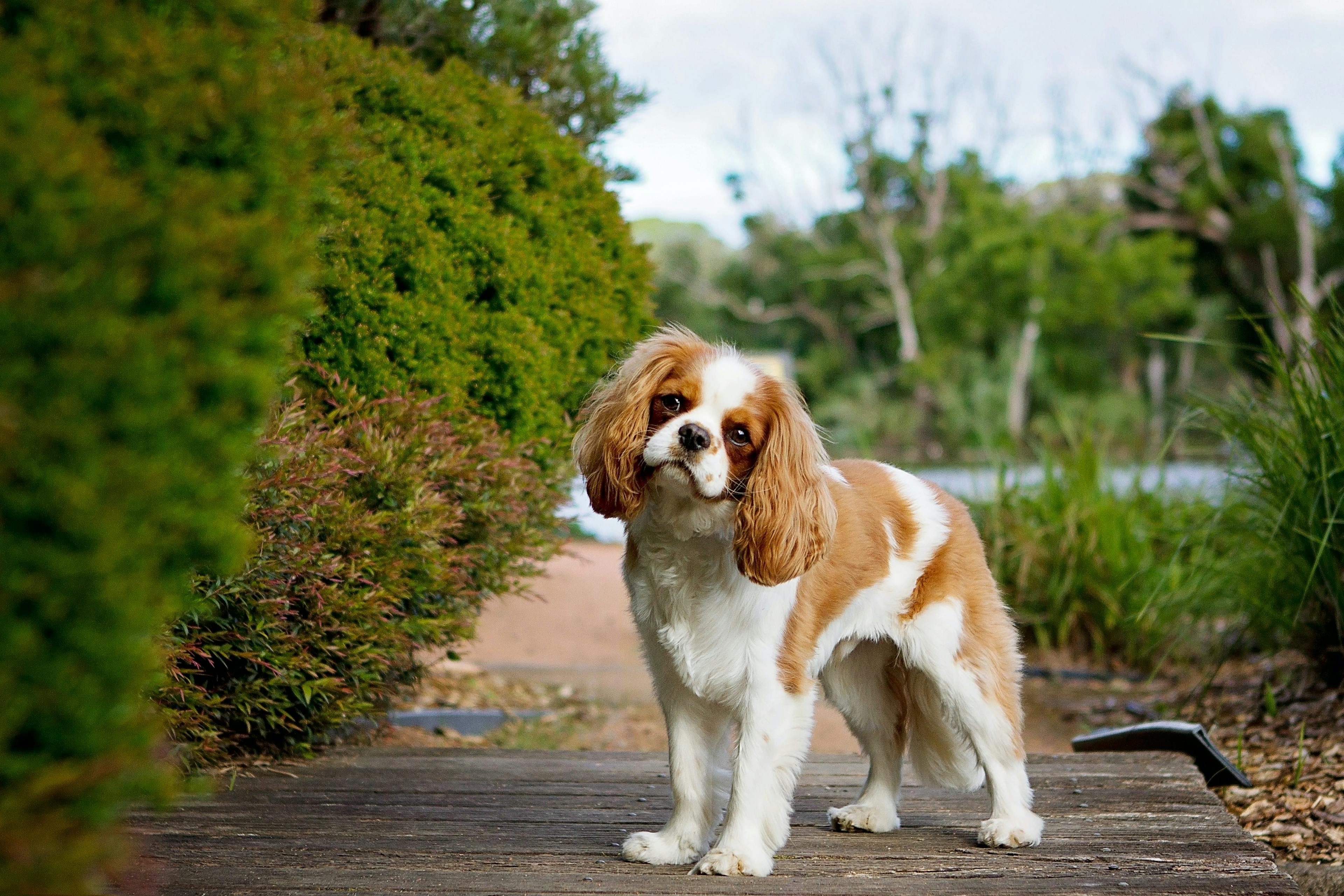
How to examine your dog when they're limping
Lameness can vary in severity and complexity, but it's important your dog always receives the care they need. This is because lameness is almost always an expression of pain; a dog that limps is doing so to relieve an area that's hurting. It's therefore important to always take limping seriously, even if your dog shows no other signs of pain.
Refusing to bear weight on the leg
If your dog won't support its leg at all, this is called 'severe lameness'. In this case, you need to see a vet immediately to have the leg examined. It's important to remember that lameness is always an expression of pain, even if your dog doesn't show other signs like whining. As mentioned earlier, dogs limp to relieve an area of pain, and it should always be considered an expression of pain.
Mild lameness
If your dog isn't severely lame but only limping slightly, you can start by letting them rest. It's a good idea to avoid stairs, jumping, playing, and general high jinks. Limit your dog's movements to short walks so they can do their business, but avoid play and roughhousing. Walk slowly with your dog on a lead. If the lameness doesn't improve in a few days or gets worse, you need to have your dog checked by a vet.
Locate the cause of the lameness
If your dog is limping slightly, you can try to feel along the leg that they're favouring, but it's often difficult to find the source of the problem yourself.
Here's how:
Start at the top and work your way down. Feel the skin, joints, and muscles. Look closely at the claw beds, paw pads, and between the toes. If you find a superficial wound, trim the fur around it and clean the wound with soap and water or a chlorhexidine solution. A superficial wound needs to be cleaned thoroughly 1-2 times a day. Use a cone to prevent your dog from licking the wound. If no obvious damage is found and the lameness continues, contact a veterinarian and have your dog examined as soon as possible.
Claw injuries
If you find a claw injury on your dog, try to get a good look at the claw and the surrounding area. If the entire claw is gone and only the quick is visible, you should wash your dog's paw daily with soap and water and use a cone. It's a good idea to protect the paw outdoors with some form of protective bootie to prevent dirt from contaminating the wound, but allow the claw to air out when you're indoors. If your dog is in pain, a vet will need to examine them, as painkillers may be necessary.
If your dog won't let you examine or wash its paws, or if you see claw fragments or the claw capsule is crooked, you also need to see a vet. The injury usually isn't so severe that you need to seek emergency help at night, but make sure your dog can't lick the paw and visit the vet the next day.
If you're unsure how to care for your limping dog, you can always consult a virtual vet. As a Lassie insurance customer, you have unlimited access to this service directly in our app.