Burmese Cat Guide
The Burmese Cat
Quick facts about the Burmese cat
Weight: Males 4–6 kg, females 3–5 kg
Height at withers: 25–30 cm
Energy level:High
Life expectancy:12–16 years
Social needs:High
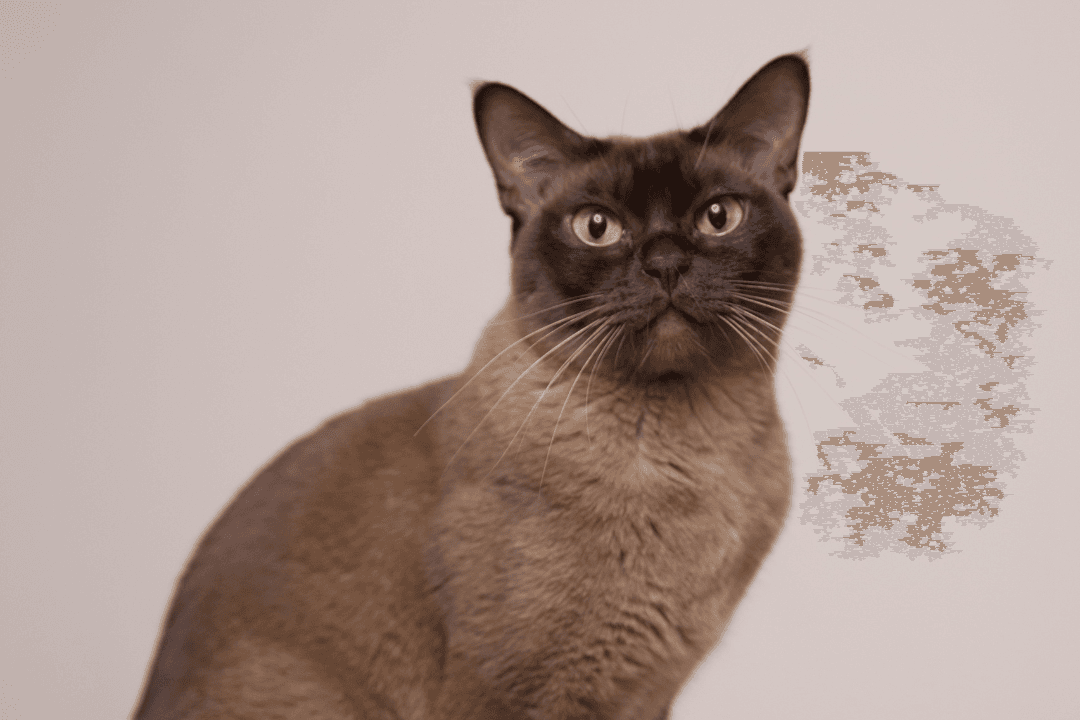
Colours:Traditionally, the Burmese coat is sable (dark brown). However, modern breeding has introduced a variety of colours, including blue, chocolate, lilac, red, cream, and their tortie variations, depending on the breeding line.
Health concerns:The breed can be prone to hereditary conditions like hypokalaemic polymyopathy and GM2 gangliosidosis, and may have an increased risk of developing diabetes mellitus.
Personality of the Burmese
Known for their friendly, playful, and curious nature, Burmese cats are highly social and people-oriented. They don't like being left alone for long and often want to join in with their owners’ daily activities. Many Burmese cats also get along well in multi-cat homes.
This active breed has a strong desire to climb, jump, and explore. Providing plenty of vertical space, engaging toys, and daily enrichment is key to supporting their physical and mental wellbeing.
Appearance and Coat Care
Burmese cats are medium-sized, but feel surprisingly heavy due to their muscular and compact build. They are recognisable by their rounded heads, expressive eyes, and gently rounded ears.
Their coat is short, fine, and glossy, with no dense undercoat. This makes grooming straightforward, as the coat rarely mats. A quick brush now and then is enough to remove loose hairs and keep their skin and coat healthy and gleaming.
Health Concerns for Burmese Cats
While generally a healthy breed, Burmese cats can be predisposed to certain hereditary conditions:
GM2 Gangliosidosis:
A severe inherited neurological disorder that usually appears early in a cat's life.
Hypokalaemic Polymyopathy:
A genetic condition that causes low blood potassium levels, leading to muscle weakness. The severity can range from mild to life-threatening.
Diabetes Mellitus:
Some research suggests Burmese cats may have a higher incidence of diabetes, particularly in certain geographical areas.
Regular veterinary check-ups and sourcing your kitten from responsible breeders can help minimise these risks.
Dental Health
Brushing your cat's teeth daily is the most effective way to prevent periodontal disease.FORL (Feline Odontoclastic Resorptive Lesions) is common in many cats, including Burmese, and often occurs alongside gum disease. While getting your cat used to teeth brushing can take time, gradual training and positive reinforcement usually helps them adapt. Find out how to brush your cat's teeth in our guide.
Potential Toxins
Many common household items and plants can be toxic to cats. Discover which plants are poisonous to your cat here.
Common hazards include:
Certain houseplants, like lilies, dieffenbachia, and philodendron
- Rodent poisons
Essential oils
Human medications
Please store all potentially harmful substances safely and out of your cat’s reach.