What is your dog trying to tell you?
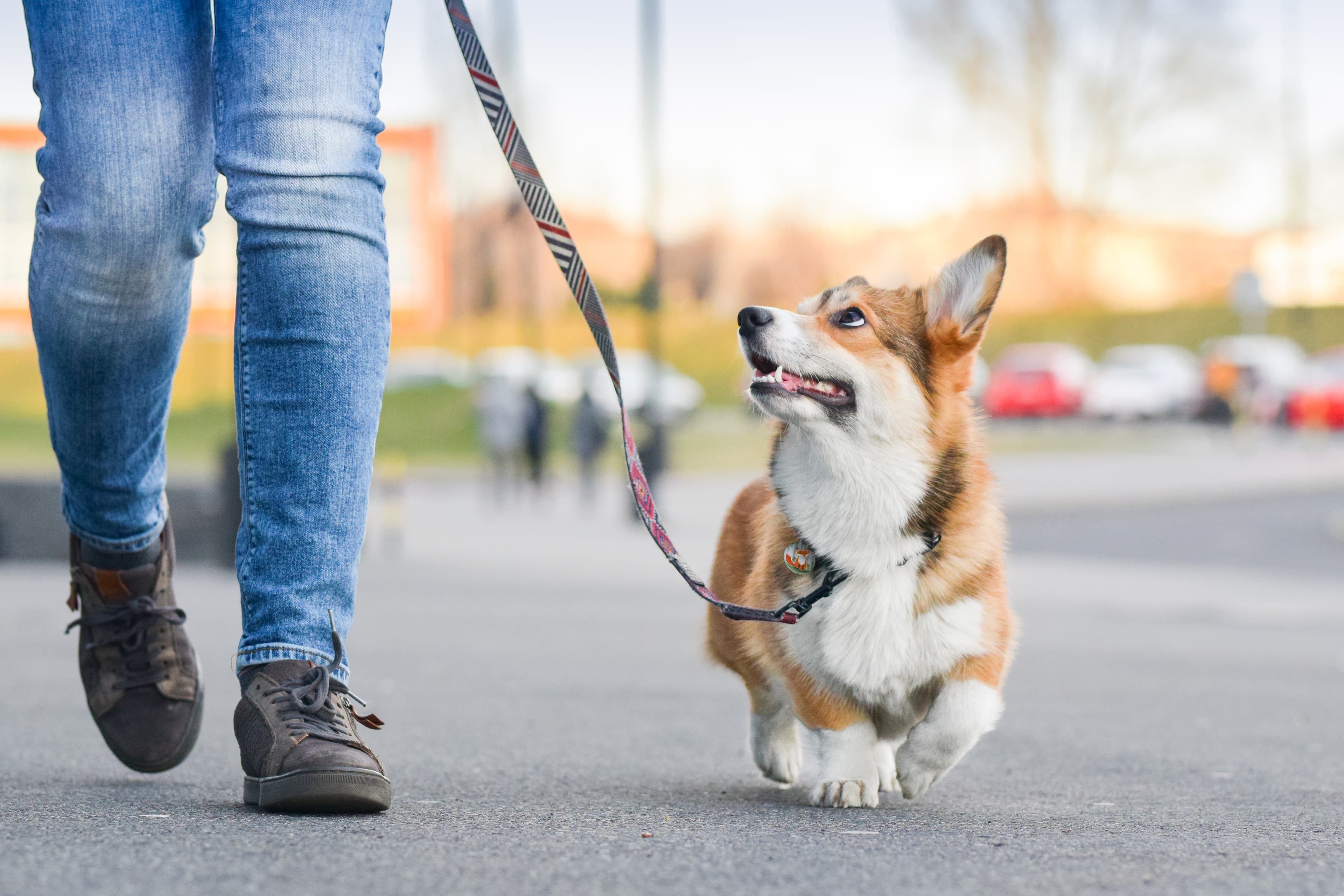
Most people can tell if a dog is happy and wants to say hello. They might wag their tail, have a slightly open mouth and look up at you. But it's not always easy to understand exactly what your dog is saying. That's why we've put together a guide to the different emotions dogs show and the signals they give when they want to communicate something.
The tail
While we often see tail wagging as a sign of happiness, it doesn't always mean your dog is pleased. A tail can signal many different emotions and is sometimes used to alert those nearby. If the tail is held straight up, is stiff, and moves side-to-side in short, slow motions, it’s a sign your dog wants you to keep your distance. For example, the dog might be warning you or someone else that it’s guarding its territory or telling another dog not to approach.
If your dog tucks its tail between its legs or holds it low, close to its body, this can indicate uncertainty. Your dog might be feeling scared by something in its surroundings or by your behaviour. Pay attention to both the tail's position and remember that tail wagging isn't always just happiness, although big, sweeping wags usually mean your dog is happy.
Playful
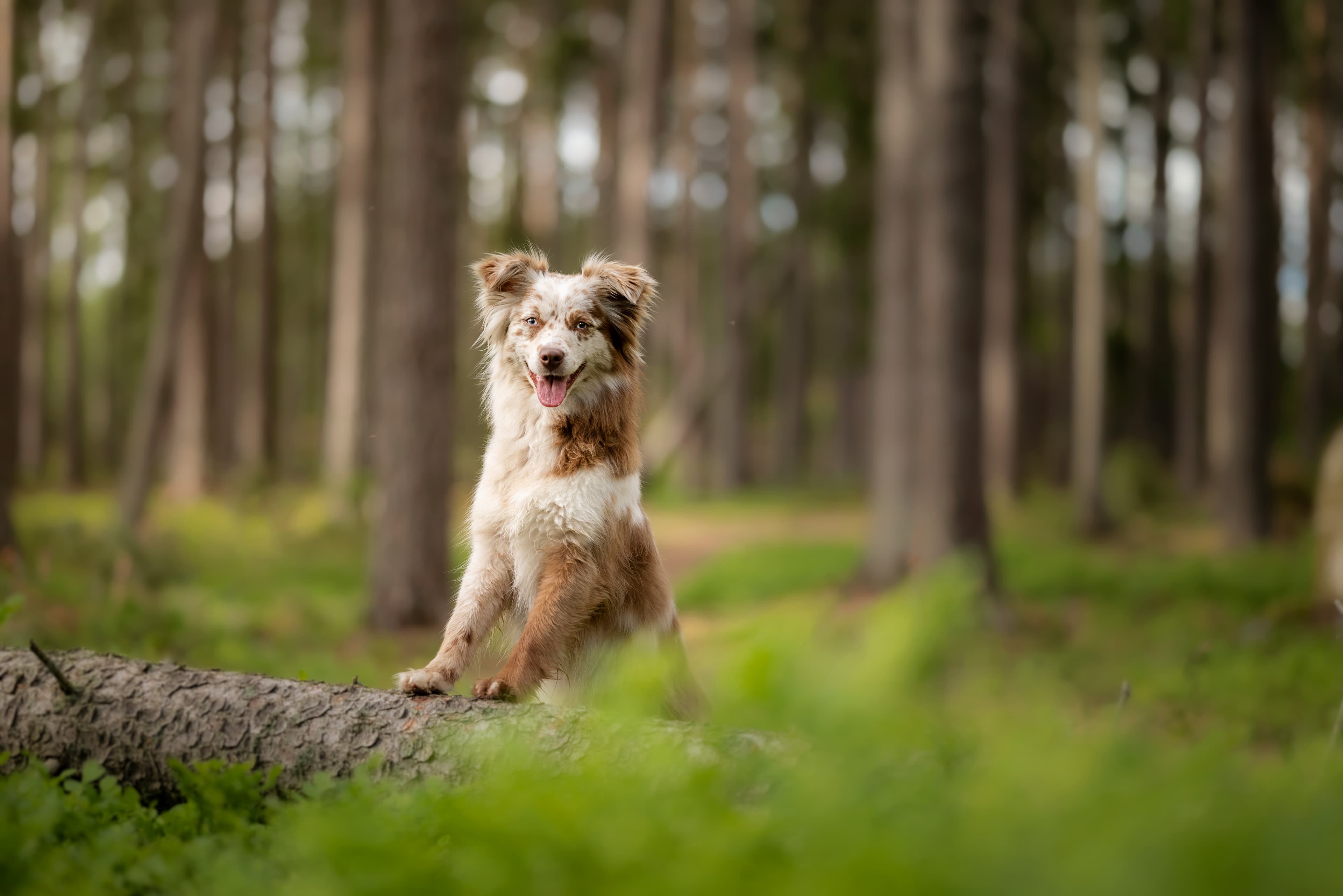
A playful dog often wags its tail, makes eye contact, and may do a play bow – front legs down, rear end up. This is how a dog shows it’s friendly and wants to play. You'll see this when dogs play together, but they can also signal their desire to play with us humans this way.
Suspicious
A suspicious dog often has a watchful gaze and a stiff posture. Their ears might lower slightly towards their body, depending on their usual ear position.
Worried and anxious
A worried and anxious dog will usually have its ears pressed down against its body. They might lick their mouth, yawn, or try to make themselves look smaller. They'll often look away if something in their environment is causing a reaction. However, this isn't the only way a dog shows anxiety or worry. Some dogs become restless, pacing around and appearing stressed. These dogs are also worried and anxious, but we sometimes mistake this for excitement.
On guard
A dog that’s on guard is unsure if something is wrong in its current situation. They tend to have a stiff posture and raise their head to get a better view. Their tail is usually tucked towards their hind legs, and their ears are alert and ready. When a dog is on guard, it needs time to understand there's no threat. Touching a dog on guard could frighten it and make it defensive. Give your dog time to assess the situation, and remove them from it if you feel it’s too challenging.
Avoidance
When a dog is trying to avoid something, it doesn't want to stay in that situation. It's important to listen to these signals; the best course of action is to remove your dog from the situation. The dog might stiffen, tuck its tail between its legs, glance nervously behind it, turn away, or lift a paw, preparing to flee.
Taking distance
When a dog shows signals of wanting distance, it's indicating, through subtle or obvious cues, that it wants you to back off. The dog is uncomfortable and wants to avoid the situation. This might involve looking away, turning its head, maintaining a static body posture, or turning its body away from a person or situation entirely. Remove your dog from the situation when it shows these signals by creating more space.
Scared
A scared dog needs your help. It wants to get away from the situation and will give you clear signals by arching its back, tucking its tail between its legs, and lowering its ears so they flatten against its head. Many dogs don't want to be touched when scared; instead, they need you to be a calm presence to guide them. Sometimes, staying put helps the dog understand that a specific thing isn't dangerous. In other cases, it’s about leaving the situation quickly.
Defensive posture
This is when a dog shows clear warning signs that it’s suspicious and afraid. Something might have suddenly appeared that the dog finds scary, and it feels trapped, perhaps in a small space or on a lead. The dog will show its warnings by growling, raising its hackles, tucking its tail between its legs, and baring its teeth. This dog is on guard and signalling, 'I may bite if you don’t back off.'
Aggressive
An aggressive dog is usually quite easy for us humans to read. This dog is clearly telling you to stay away, or it will bite. The dog is issuing a warning and what it really wants is not to bite, but to create distance. Do not approach a dog that has half-closed eyes, is showing teeth and opening its mouth, is lifting a paw ready to attack, and has a forward-leaning stance. Quickly avert your eyes and body to show you're not a threat. You can read more about dog aggression here.here.