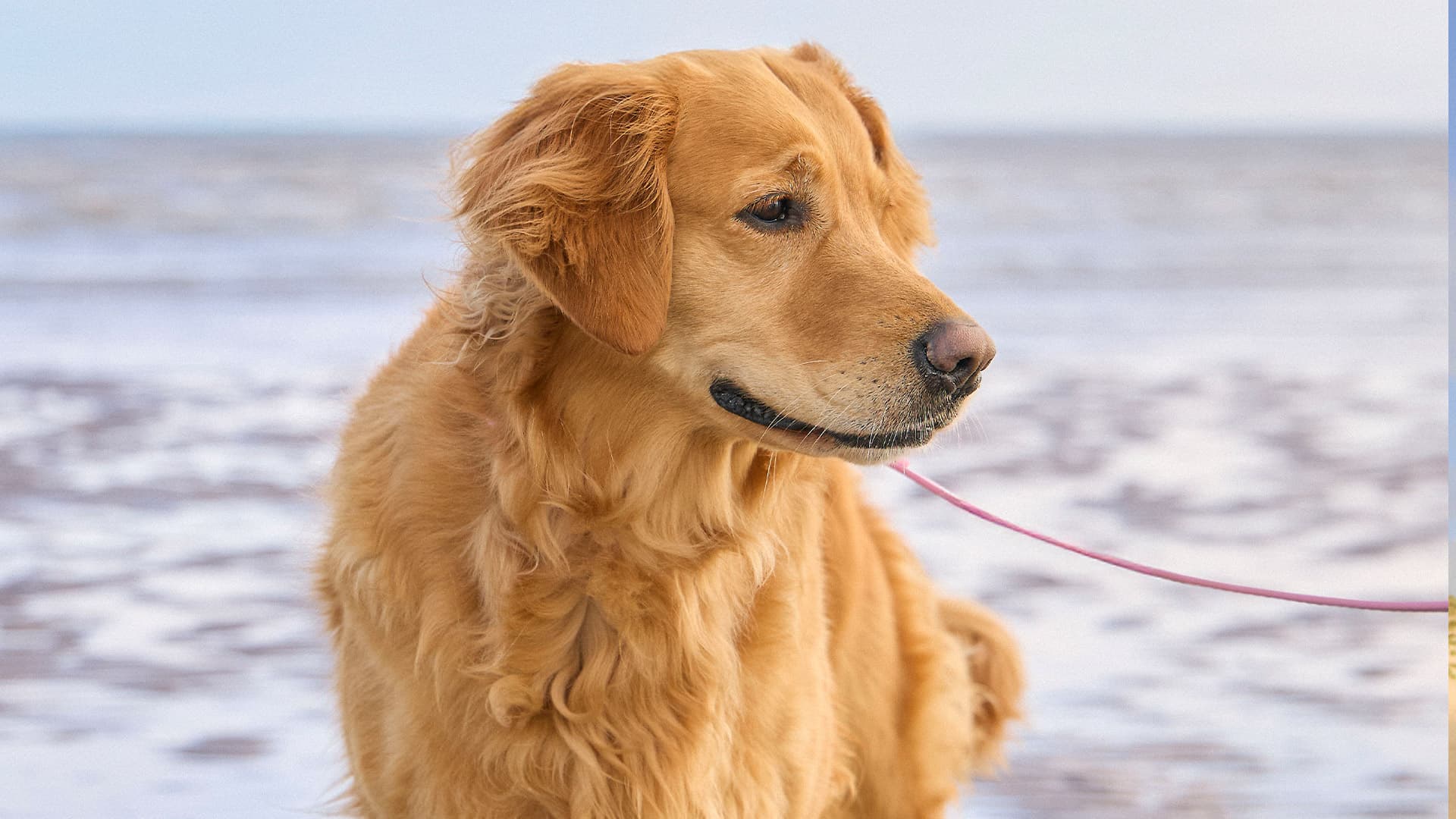
Keeping older dogs active: Fun ideas for body and mind
'If you rest, you rust' – and that applies to our dogs too! An older dog is far from being past their prime and still benefits from encouragement and challenges. But how can you keep a dog engaged when they're showing signs of aging? We can broadly divide activities into physical and cognitive. Most exercises combine both, requiring a greater or lesser degree of movement or mental effort. As dogs get older, it's particularly worthwhile to challenge them physically and mentally – always within appropriate limits, of course!
What should you consider?
Let's first look at physical activity and exercise for senior dogs. You should definitely pay attention to the following:
Avoid sudden movements – the faster and more uncontrolled your dog moves, the higher the risk of injury. In their senior years, tendons, bones, and joints can't withstand as much as they could when younger! So, ensure movements are calm and controlled.
No abrupt stops!
Consider their health condition!If your dog is already showing signs of aging or has health issues, it's even more crucial to take these into account during physical activity. Consult your vet to determine how much exercise and exertion your dog can handle.
Pay attention to the temperature – heat and cold can significantly impact your dog. If your dog has a weaker immune system or doesn't grow a thick winter coat, a coat can offer support during outdoor activities. Protection from the cold is especially advisable for joint conditions. But summer heat can also pose risks. Make sure your senior dog has enough water and monitor their circulation during outdoor activities. Ideally, shift physical activity to the cooler morning and evening hours in the summer.
Now, let's look at mental stimulation for your dog, as there can be specific considerations in old age too:
Keep it short and simple – to avoid overwhelming or demotivating your senior dog, always adapt training sessions to their current ability (this applies to all age groups, by the way!). Start with short, simple exercises and gradually increase the difficulty. This keeps training fun and motivating, and helps them learn new things quickly.
Dementia in dogs!Your furry friend can also develop dementia in old age. This affects their cognitive abilities and thinking skills, making even simple tasks challenging. If you notice a significant decline in your dog's mental performance, consult your vet first!
Factor in physical limitations!Perhaps your senior dog has hearing or vision problems. In this case, your choice of exercises is particularly important, ensuring your dog still has fun and experiences success despite potential impairments. Try challenging their other senses to help them learn new strategies.
Setting the right environment!
Ready to get started with activities for your senior dog and looking forward to new challenges? Don't forget to consider the environment. Pay special attention to:
Ground surface:A floor that's too slippery can make movement difficult and lead to slips. As this puts significant strain on bones, tendons, and joints, ensure a non-slip surface.
Noise level:You might need to speak more loudly in the future (or switch to visual cues) if your dog has hearing issues. In very noisy environments, your dog may struggle to understand you.
Activity ideas at home
Treat hunt:Have your dog wait in their spot (if they don't know 'stay', you can briefly leash them for this) and hide treats around the house. Once hidden, let your dog search. Start with very easy hiding spots and help them if needed. Always ensure your dog can reach the hiding spots!
Trick training:See our article "Trick Training with an Older Dog" for tips on this.
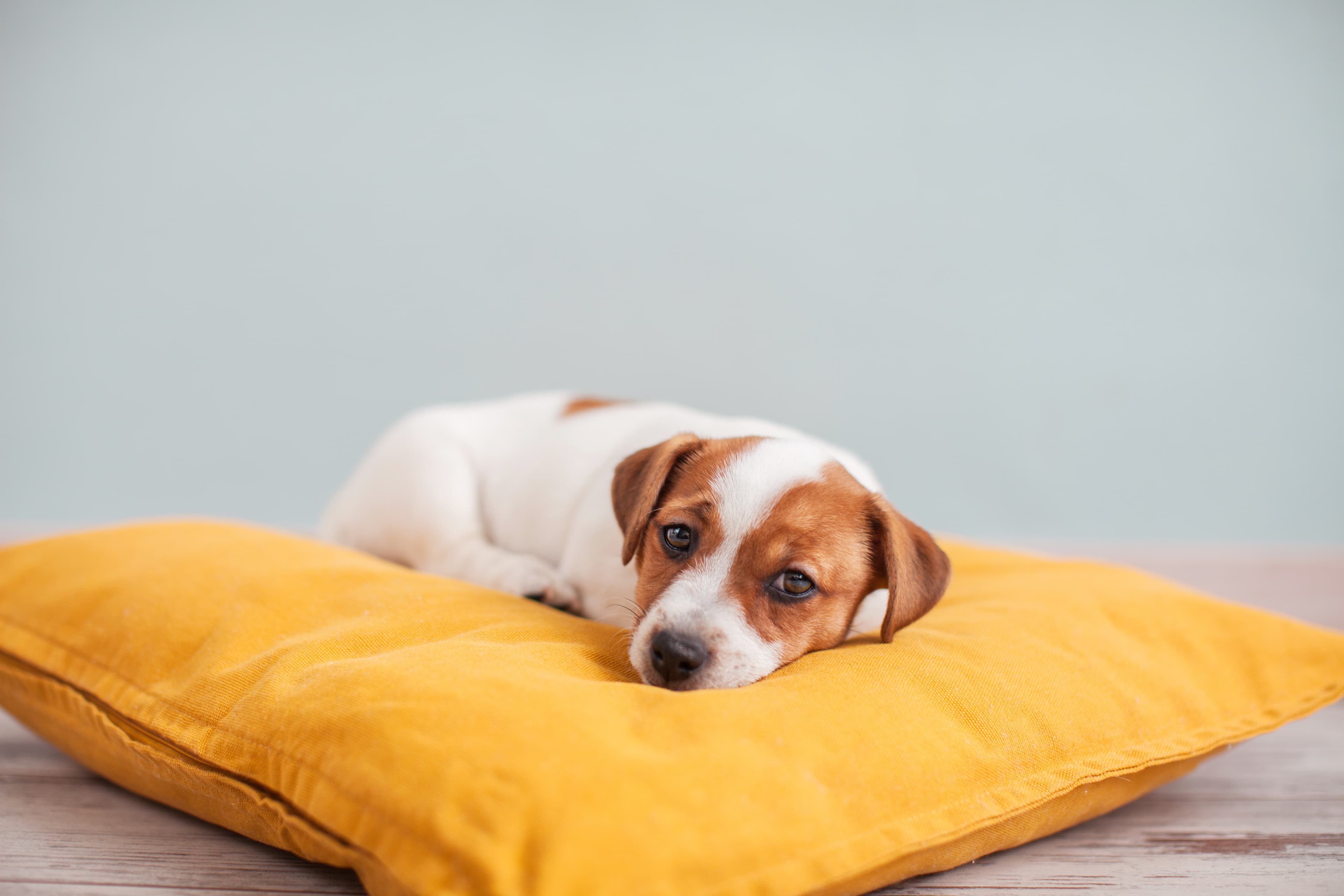
Chewing and licking:Chew toys or lick mats are great for independent entertainment at home. Pay attention to your senior dog's dental health. If their teeth are healthy, chew bones or toys are fine. For poorer dental health or missing teeth, lick mats are a fantastic alternative! Spread them with wet food, quark, or vegetable puree to keep your dog occupied.
Activity ideas for walks
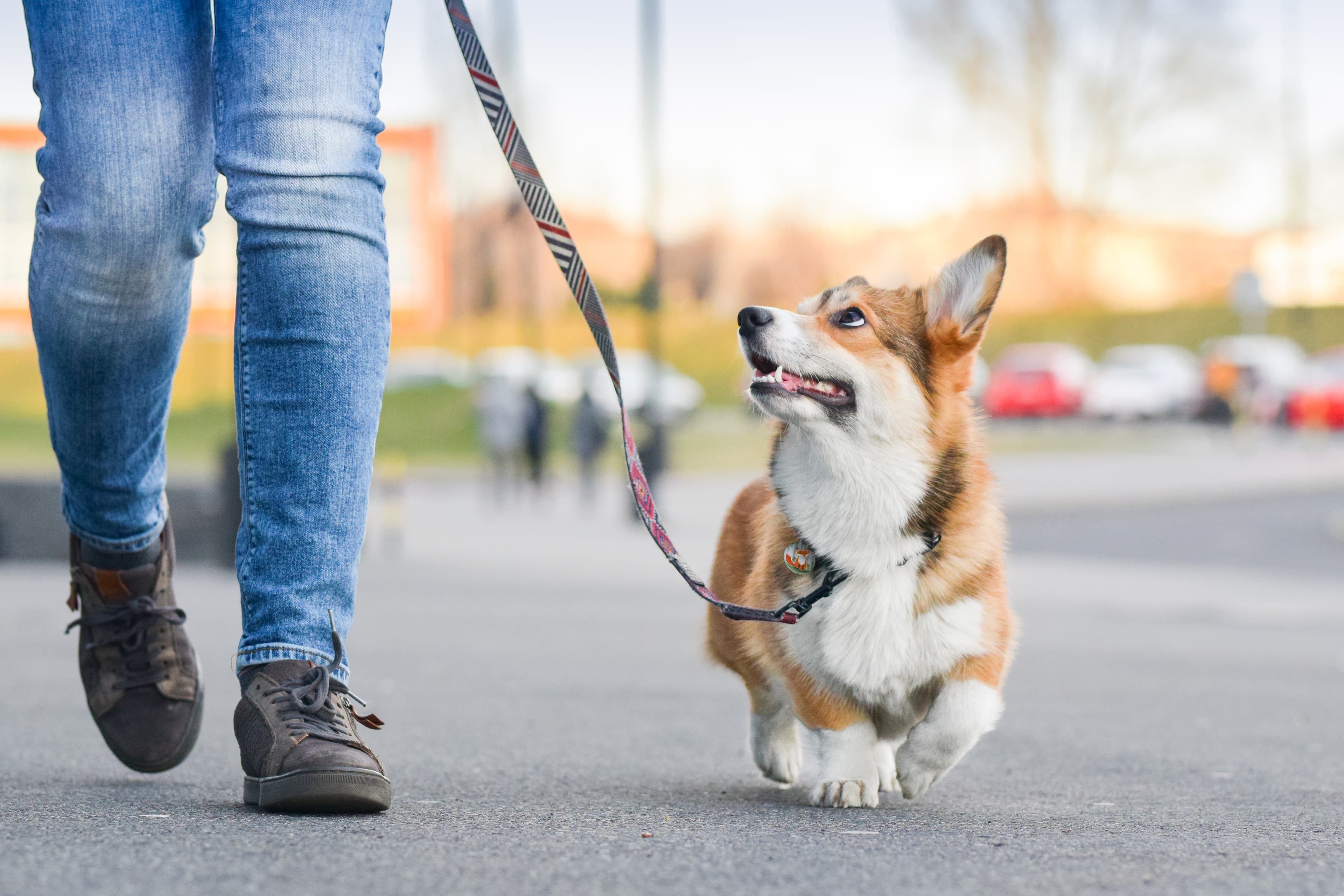
Explore different surfaces:On walks, you'll encounter various surfaces like tarmac, leaf-covered ground, puddles, gravel, and bridges. Each one offers a chance to stimulate your dog's senses. Walk across the different surfaces you encounter. If your dog hesitates, use a treat to motivate them and reward their bravery!
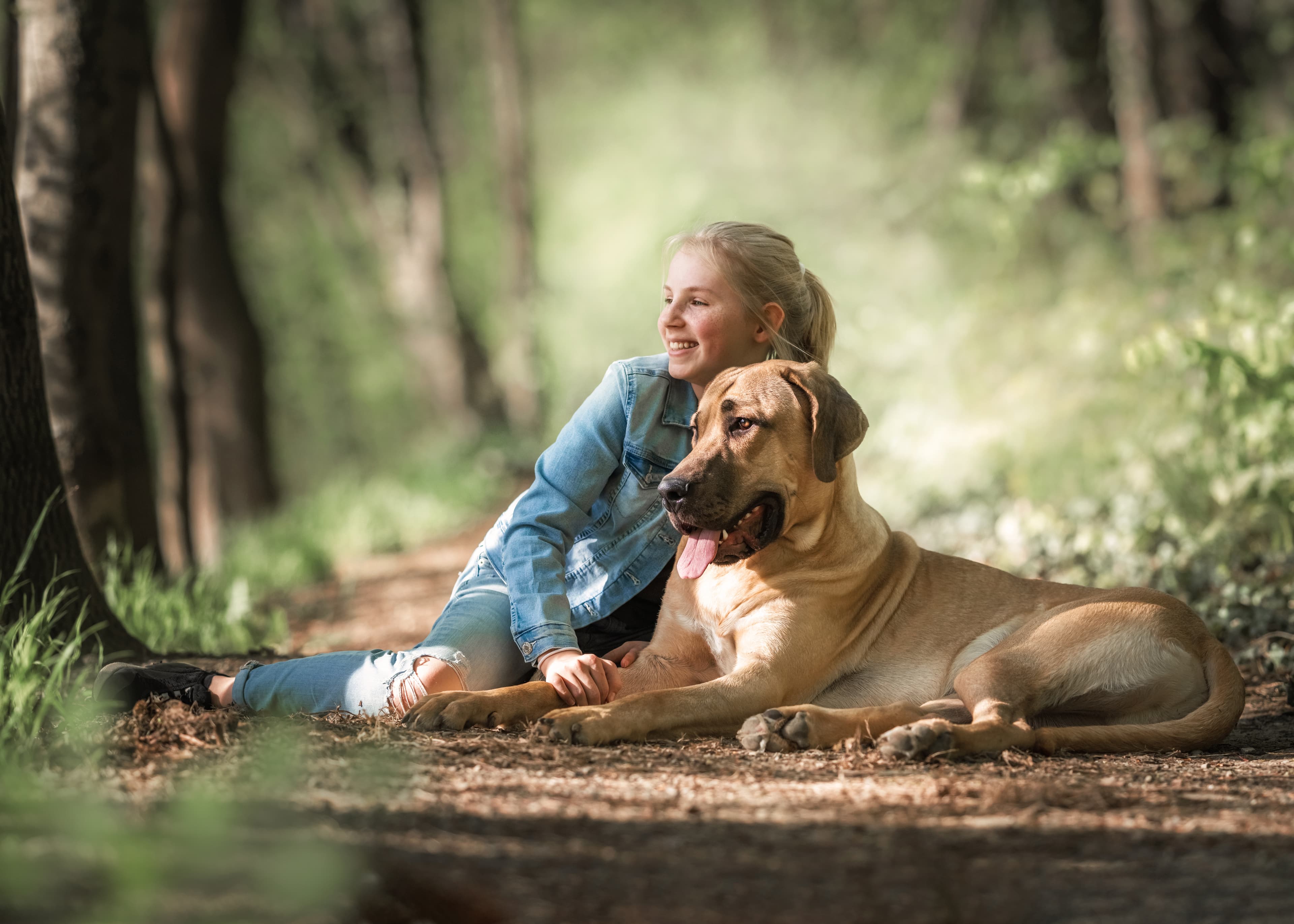
Go off the beaten path:This exercise improves coordination and can be exciting as you explore off the usual paths! Whether in the woods or a meadow, there are plenty of opportunities. Climbing over branches together strengthens muscles and coordination, adding an element of adventure to your walk. (Please be mindful of local regulations regarding wildlife breeding seasons.)
Search games:Use treats or toys to incorporate fun search games into your walk. Hide an item and let your dog find it. The natural sounds and smells provide extra distraction. Gradually increase the difficulty, starting at an 'easy' level.