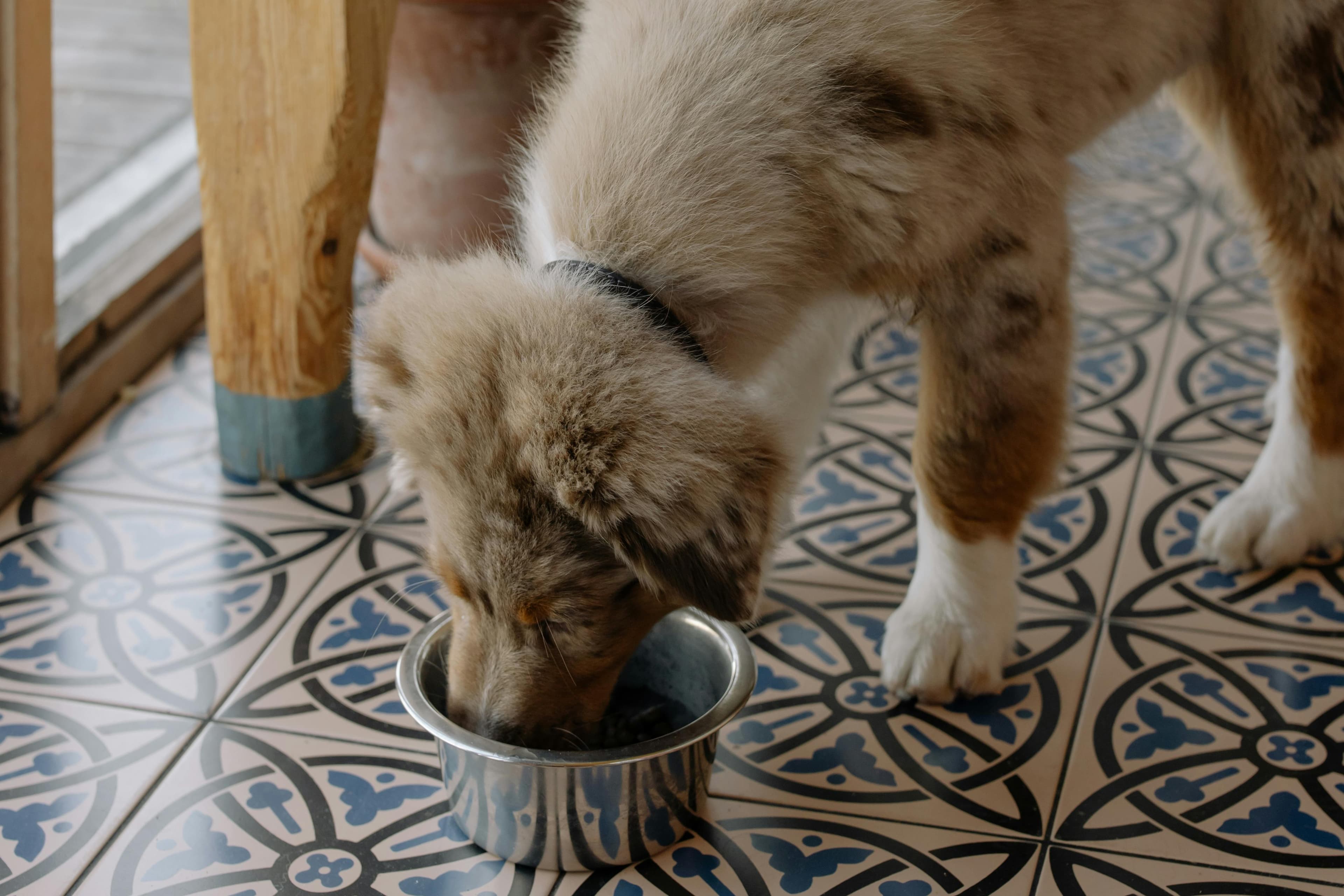
Puppy Feeding Guide
Introduction
A complete guide on how to feed your puppy properly and establish healthy eating habits that extend into adulthood.
During this time, your puppy's body and brain must develop incredibly rapidly. High-quality puppy food helps your puppy grow up healthy. A healthy and energetic puppy can burn up to twice as many calories as an adult dog.
Why Specialized Puppy Food?
Specialized puppy food is the ideal diet for your newest family member. The food is complete and balanced, meaning it contains everything your puppy needs to grow up healthy. There is no need for extra supplements or food scraps.
Puppy'S Nutritional Needs
Higher calorie content
Puppy food typically contains more calories than food for adult dogs, because puppies need lots of energy to grow.
Extra protein
Puppy food tends to contain extra protein to support healthy development of your puppy's internal organs as it grows.
Important minerals and vitamins
Higher levels of calcium, magnesium, iron, zinc, and vitamin D are essential for the development of strong teeth and bones.
Food kibble size
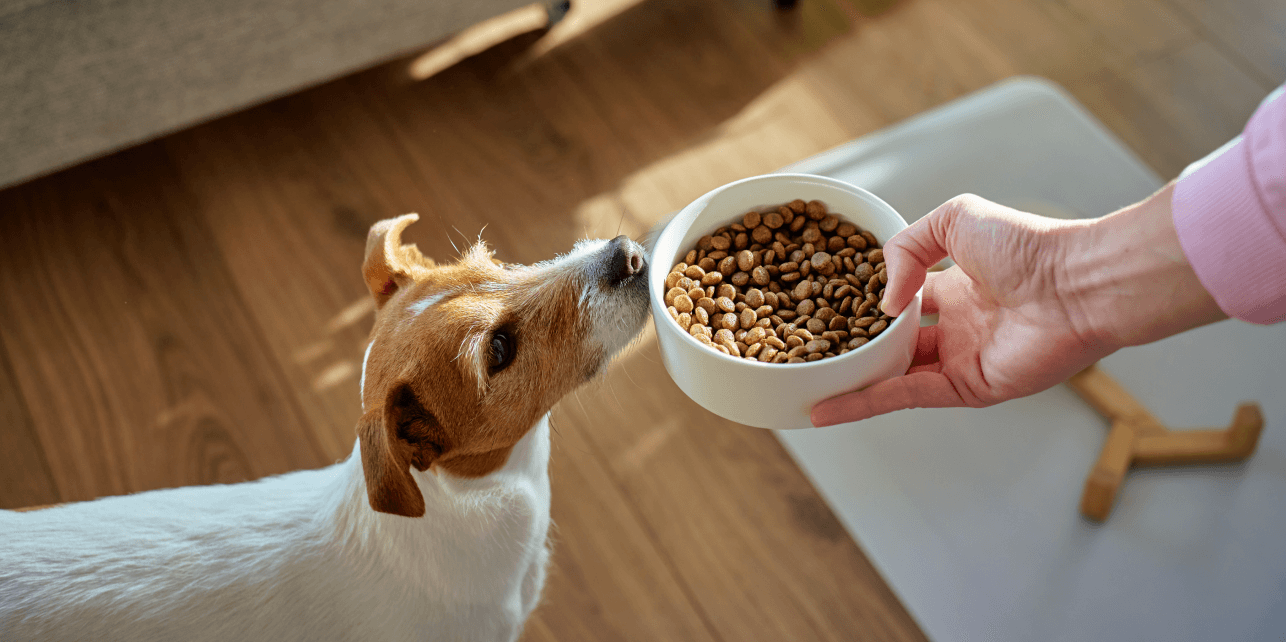
Puppies often love crunchy dry food with smaller pieces that make it easier to chew and swallow.
Portion Size By Age
Give your puppy small amounts but frequently to get the right balance between what it needs and to avoid overfeeding.
0-2 months old
4-6 meals per day
2-3 months old
4 meals per day
4-6 months old
2-3 meals per day
Older than 6 months
2 meals per day (depends on breed)
Important Feeding Rules
Portion control
Very often a puppy will eat with its eyes instead of its stomach. Don't be tempted to overfeed your puppy, as this can upset the stomach or put stress on its body.
Monitor your puppy's weight
Weighing your puppy regularly helps you ensure it weighs the right amount for its age, size, and breed. You can do this at home or ask a veterinarian to show you.
Avoid training around feeding
Avoid feeding your puppy immediately before or after exercise, and allow one hour between feeding and activity.
Rest after feeding
It's a good idea to get your puppy into an early routine of resting right after eating to avoid stomach upset. This is especially true for large and very large breeds.
Warning about gastric bloat
Gastric bloat and torsion is a serious medical condition that requires emergency veterinary care.
Feeding Location Tips
Quiet location
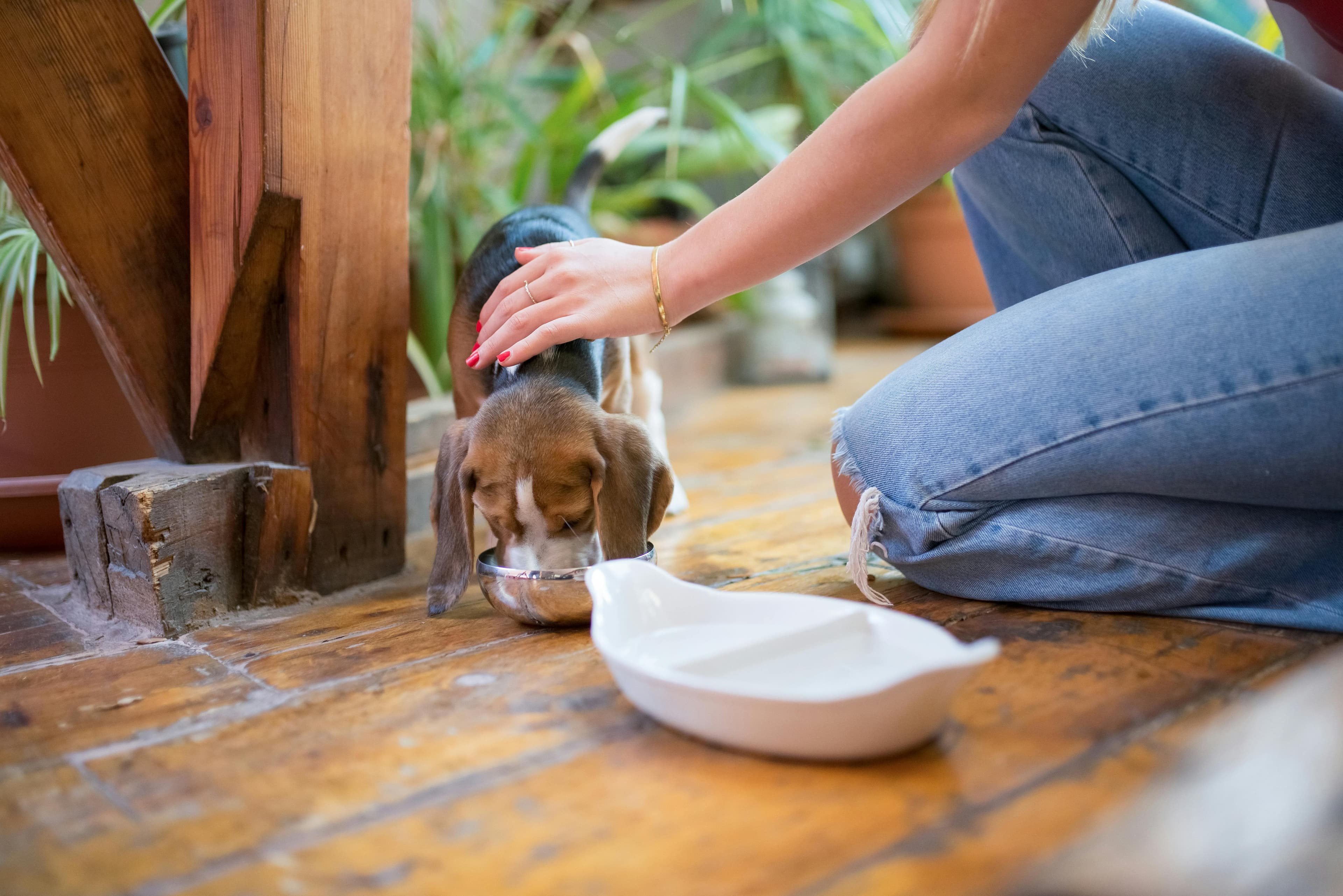
Make sure you feed your puppy where it can eat without interruption, away from household activity and movement.
Surface and bowl
Place the food bowl on a tile floor or food mat, and always serve your puppy's food in a clean bowl. This helps prevent your puppy from eating too fast.
Multiple puppies
If you have other dogs in the house, feed them at the same time, but separately, to avoid fighting.
Storage And Serving Temperature
Thawing frozen food
If you store food in the freezer, take it out about an hour before mealtime.
Warming wet food
You can use the microwave briefly to warm up wet food, but make sure the food stays at room temperature and never gets hot.
Storage rules
Always close and seal cans or bags if there is food left in them. Store them in the refrigerator and use the food within 24 hours.
Changing Puppy Food
Your puppy's stomach is very sensitive and can easily become upset if you suddenly change puppy food, whether between wet and dry food, to a different brand, or from puppy to adult food.
Best method when changing food
If you change the food, it's best to do it slowly, starting with the old food and gradually adding the new food over several days.
If you've just brought the puppy home
If you've just brought your puppy home, it's a good idea to feed it exactly as the breeder did, unless there's an obvious problem.
Changing from dry to wet food
It will chew more actively, it may take longer to eat, and it will likely need more water. The consistency may seem strange, so if it's used to dry food you can mix in some kibble.
Changing from wet to dry food
Don't be surprised if your puppy drinks less. A portion of dry food will look smaller than a portion of wet food, and since dry food is more energy-dense, your puppy may need to eat proportionally more wet food.
Foods To Avoid - Toxic
Raw meat
Never feed your puppy raw meat. To reduce the risk of food poisoning, you must kill all bacteria by cooking fresh meat properly. Before feeding your puppy, make sure there are no small bones left.
Chocolate
Never feed your dog the chocolate we eat, because it is toxic to dogs.
Garlic
Garlic is toxic to dogs - avoid completely.
Onions
Onions are toxic to dogs - avoid completely.
Grapes or raisins
Grapes and raisins are toxic to dogs - avoid completely.
Small bones
Never feed your puppy small chicken and fish bones, as these can damage teeth and cause intestinal problems.
More information
Consult with your veterinarian for a complete list of highly toxic foods to avoid.
Growth And Portioning
As your puppy grows larger, its appetite will also grow. Depending on breed, a 6-month-old puppy may require up to twice the daily calorie intake compared to a 2-month-old puppy.
General rule
Gradually increase portion sizes over the first 12 months, after which most puppies can switch to adult food.
Breed-specific considerations
You should always check with a veterinarian before increasing or decreasing meal sizes. Larger breeds may switch to adult food later, around 18 to 24 months.
Resist Those Puppy Eyes!
Watch out for those sweet puppy eyes - your puppy knows exactly how to get what it wants. If your puppy is to maintain a healthy and balanced diet, do your best to ignore its pleas for food scraps and treats.
Healthy alternatives
A favorite toy, a walk, or a game is a good replacement!
Treats And Dental Care
When your puppy is old enough, you can make crunchy or chewy treats part of your puppy's everyday food. These treats can even help keep its teeth clean.
Key Takeaways
Avoid toxic foods
Avoid raw meat and bones. Never feed your puppy chocolate, garlic, onions, grapes, or raisins - they are toxic to dogs.
Maintain consistency
If possible, give your puppy the same food it had before you brought it home. This will help minimize upset stomachs.
Change food gradually
If you change the food, it's best to do it slowly, starting with the old food and gradually adding new food over several days.
Feed multiple puppies separately
If you feed more than one puppy, you can consider doing this separately so that one puppy doesn't eat more than the other.
Next Steps
A happy and healthy puppy needs both nutrition and plenty of puppy exercise. Make sure your first months together go as smoothly as possible by reading our helpful puppy guides.