Neva Masquerade Cat: Everything you need to know
Meet the Neva Masquerade cat
Weight: 4.5 - 9 kg
Wither height: 20 - 25 cm
Energy level: Energetic
Lifespan: 12 - 15 years
Social need: Medium
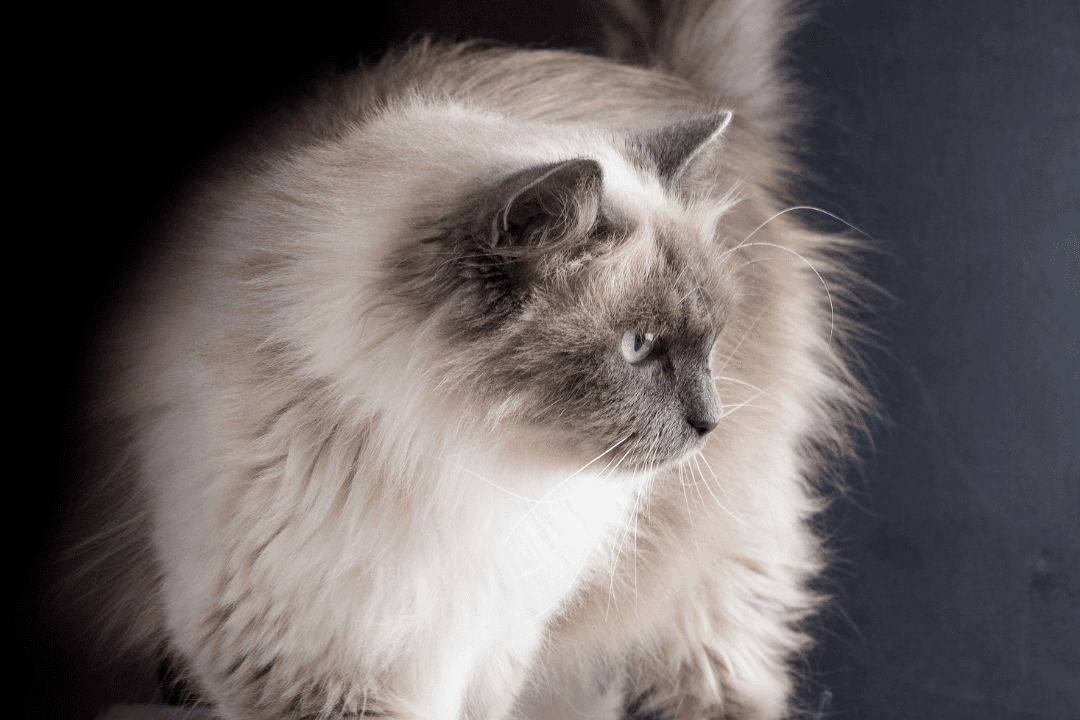
Colours:Has a masked colouration, meaning a lighter base coat with darker ears, face, legs, and tail tip. Common colours include white, brown, black, cream, blue, and fawn.
Health problems:Generally healthy but can be prone to hereditary conditions like Hypertrophic Cardiomyopathy (HCM), Polycystic Kidney Disease (PKD), and certain eye issues.
What's a Neva Masquerade like?
The Neva Masquerade is a cuddly, curious, and lively cat. It's the masked variety of the Siberian Cat and shares many of their character traits and appearance. They thrive in their owner's company and often get on well with children and other pets. These cats can be happy indoors or outdoors, as long as they get plenty of exercise. So, be sure to keep your Neva Masquerade entertained with things like climbing trees and toys. They're also intelligent cats, meaning you can teach them tricks if you fancy it.
Neva Masquerade looks and grooming
A Neva Masquerade is medium-sized, muscular, and has a slightly wild look. Like the Siberian cat, they mature slowly, reaching full size around 3 years old. The main differences lie in their coat and eye colour – Neva Masquerades typically have a light coat and striking blue eyes. They have a bushy tail, ear tufts, and a thick, long coat with a ruff. Their coat needs a good brush a couple of times a week to prevent tangles and manage shedding. Much like the Siberian, the Neva Masquerade is known for being less likely to cause allergic reactions.
Neva Masquerade health conditions
The Neva Masquerade is generally a healthy breed without significant health issues. However, like other breeds, they can be susceptible to hereditary conditions such as the heart condition Hypertrophic Cardiomyopathy (HCM). Polycystic Kidney Disease (PKD) can also occur. A balanced diet can help support kidney health. Their distinctive blue eyes can make them more prone to eye problems, so be sure to keep them clean.
Dental health
Did you know your cat needs their teeth brushing? Daily brushing is the best way to prevent gum disease. You can find out morehere. The dental condition FORL is common in cats and often linked to gum disease. Brushing your cat's teeth can be a challenge, but with treats and plenty of patience, they'll eventually get used to it. Learn how to brush your cat's teethhere. Find out more about cat dental carehere.
Poisoning risks
Many everyday items can be poisonous to cats, perhaps more than you realise. For example, certain plants can be toxic – find out which ones are dangerous for your cathere. Other common poisons for cats includechocolate andmouse and rat poison. It's crucial to store anything dangerous to cats safely out of their reach.