European Shorthair Cat Guide
Information about the cat breed European Shorthair
Weight: 3.5 - 7 kg
Wither height: 23 - 30 cm
Energy level: Medium
Lifespan: 12 - 18 years
Social need: Medium
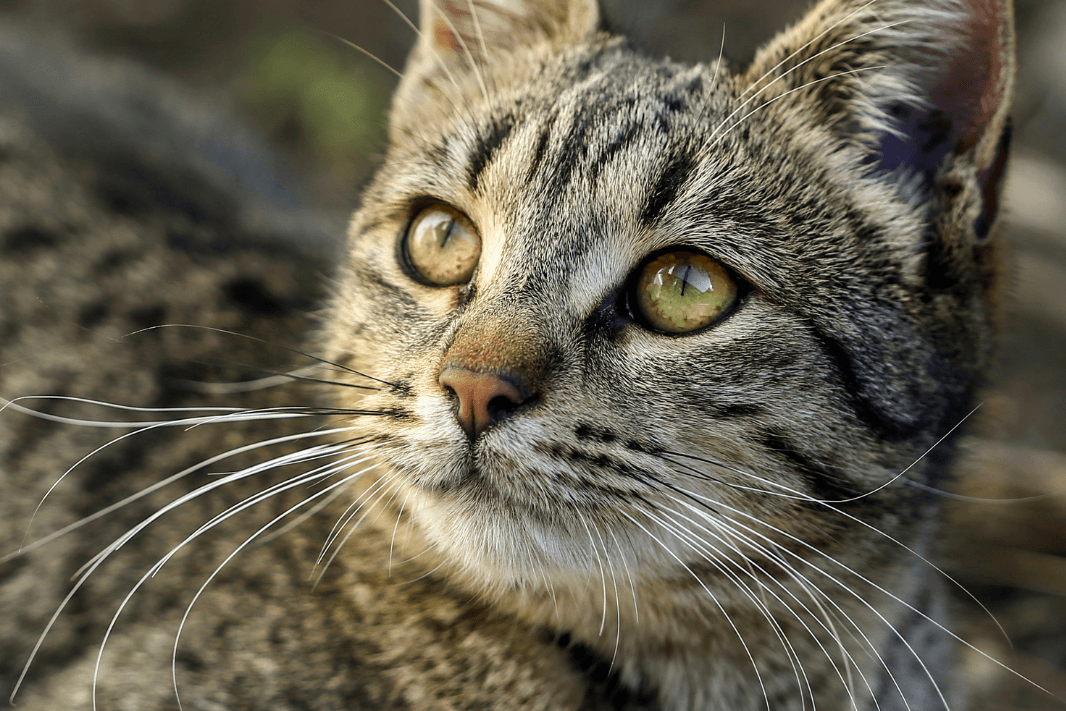
Colours: Usually grey with a tabby coat (a striped pattern). Other colours that occur in the breed are black, tortoiseshell, red and cream.
Health problems:Generally healthy, with no known typical hereditary breed diseases.
Personality of a European Shorthair
The European Shorthair, or European as it's often called, is an active, curious and very friendly cat breed. It's easy to get along with, enjoys your company and often gets on well with other cats and children. As a loyal and sociable cat, a European always appreciates cuddle time with its owners. But the European Shorthair is also always ready to play and needs stimulation and variety because it has a strong need for exercise. A European is therefore often well suited as an outdoor cat, as it can also get an outlet for its hunting drive and need for adventure. If you keep it as an indoor cat, you must ensure that it can entertain itself, for example with cat trees and toys.
Looks and fur care of a European
A European is well-proportioned, muscular and has medium-length legs. It looks very much like a farm cat – that is, like the typical mixed-breed domestic cat. The fur of a European is short and often striped, or tabby-patterned as it's called, but tortoiseshell and smoke patterns also occur in the breed. To best care for a European Shorthair's coat and reduce loose hairs around the home, you should brush or comb the coat from time to time. During shedding periods, you should brush more often.
The difference between European and Domestic Cat
It's easy to confuse the European Shorthair with the domestic cat because they look similar and because domestic cats often have a lot of the original European cat strain in them. However, European Shorthairs always have a pedigree and documented background, which domestic cats do not. Breeding within this cat breed is also controlled in the same way as with other purebred cats.
Health problems in a European
The European Shorthair is a generally very healthy cat breed that is hardy and not particularly susceptible to disease. No typical hereditary breed diseases are known in the breed either. But of course, it's possible for a European to suffer from the health problems and other diseases that can affect any cat.
Oral health
Did you know you should brush your cat's teeth? Brushing your cat's teeth daily is the best thing you can do to prevent them from developing gum disease (periodontitis). Learn more in our app. The dental disease FORL is common among cats and often occurs alongside gum disease. Brushing a cat's teeth can be a challenge, but with treats and a lot of patience, your cat will eventually get used to it. Learn more about how to brush your cat's teeth in our app course.
Poisoning
There are many things that are toxic to cats that you may not have considered before. Plants, for example, can be dangerous – learn more about which plants are poisonous to your cat in the Lassie app. Other examples of toxic items for cats include chocolate and mouse or rat poison. It's important to store anything dangerous to cats where they cannot access it.