How to play with your dog
Play is a brilliant way to get to know your dog really well. All dogs are individuals and have their own favourite ways to play, which they’ll enjoy with canine pals and with you. Let’s explore the different types of play and how you can strengthen your bond through games.
Breed matters
While dogs are individuals, their breed does play a big part in their preferred games. This is often linked to their original purpose, such as herding, hunting, or guarding. Some breeds love to chase and be chased – a natural part of herding behaviour for Border Collies, for example. Labradors often love retrieving toys, with a game of fetch being a favourite. Australian Shepherds can be experts at wrestling, and a Staffordshire bull terrier might love a good tug-of-war with its owner. Of course, not all dogs fit these general patterns, so it’s vital to watch your dog when they play with other dogs to see what they enjoy. Do you notice any particular patterns with your dog?
Different types of play
How many play styles can you think of? The list could be endless! For some, play is simply you and your dog interacting with toys. For others, it's a wrestling match. Don’t limit yourself – constantly explore what your dog enjoys. Play can become a really important part of getting to know each other on a deeper level. There are no rights or wrongs, and play is wonderfully varied. Below are some common games we play with our dogs, along with their potential pros and cons.
Tug games.Tug is when you and your dog playfully wrestle over a toy, with you holding one end and your dog the other. This is very common for dogs trained in various dog sports. As the name suggests, it’s a bit of a fight over the toy. However, some dogs don't enjoy this kind of intense play and it can be overwhelming for more sensitive dogs. That’s why it’s important to watch your dog and consider your relationship during tug games. Let your dog win the toy often, especially when you’re first starting. Otherwise, they might feel like they’ll never get access to the toy, or they could lose motivation to play with you altogether.
When introducing a dog to tug, avoid pushing the toy into their face. Instead, find a fun way to show them the toy is interesting, then introduce it by playfully pulling it away from them. This can build their interest and encourage them to explore the toy.Chase games.Chase games can involve you and your dog chasing each other, or your dog chasing a toy. In both scenarios, the chase itself drives the dog to continue. This is highly appreciated by some breeds but not by others. Some dogs enjoy being chased more, while others prefer to do the chasing. Pay attention to your dog when they’re playing with other dogs – you’ll quickly see what they prefer.
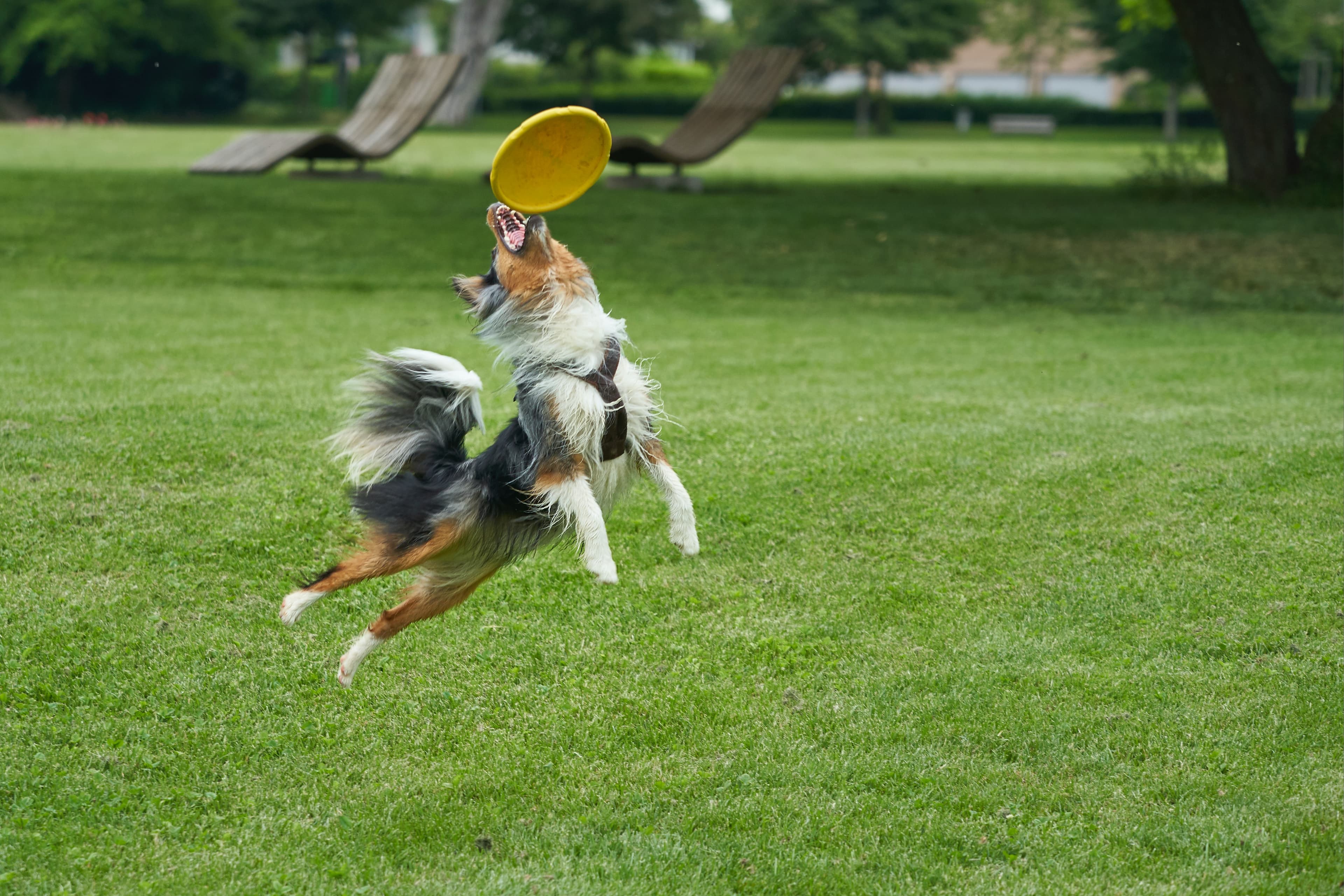
If your dog isn’t overly interested in toys, chasing can make them more appealing. Try attaching a toy to a long string so you can drag it along the ground. See if the chase motivates your dog to interact with the toy and perhaps eventually grab it. Remember, catching the toy or you is often very rewarding in chase games, so give your dog opportunities to succeed.Fetch games.Many dogs enjoy chasing a thrown toy or ball. Some dogs love the chase but might not bring the toy back to you, preferring to run off and play by themselves. You can teach them to retrieve, but it might take time. When your dog does pick up a thrown toy, try making a funny sound and backing away. This often encourages them to come back to you with the toy.
Fetch can be a really fun and suitable game for your dog. However, it can also be a bit stressful for some dogs. Watch your dog closely, and take breaks if they seem tired or become frantic in their pursuit of the toy.Wrestling games.Not all dogs enjoy being physically tussled with during play, but some find it incredibly fun. Explore at a relaxed pace what your dog enjoys. Maybe they like being gently pushed backwards to build momentum before pouncing on you, or perhaps they enjoy you lying on the floor while they romp around. Pay close attention to your dog’s body language and ensure it’s a fun experience for both of you. Some dogs love the attention they get from this type of play and appreciate vocal praise, while others prefer quieter, calmer games.
Playing with a puppy
Puppies, while they’re still growing, shouldn’t be involved in overly fast or lengthy games of fetch. Tailor play sessions to your puppy and ensure you take plenty of breaks. Certain games carry a higher risk of injury, for example, when they twist and accelerate rapidly. They might also put too much strain on certain parts of their body before they have full control, potentially causing sudden muscle or ligament damage that could require a vet visit. Watch your puppy and discover what they enjoy, then you can gradually develop your play sessions together.