Fur Care for Dogs
A dog's coat is more than just a beautiful feature—it serves as a vital protective barrier against the weather, dirt, and bacteria. Whether your furry friend has short, wiry hair or a long, flowing mane, the right grooming routine is essential for their well-being.
Here is everything you need to know about professional fur care for your dog.
Brushing: The Foundation of Care
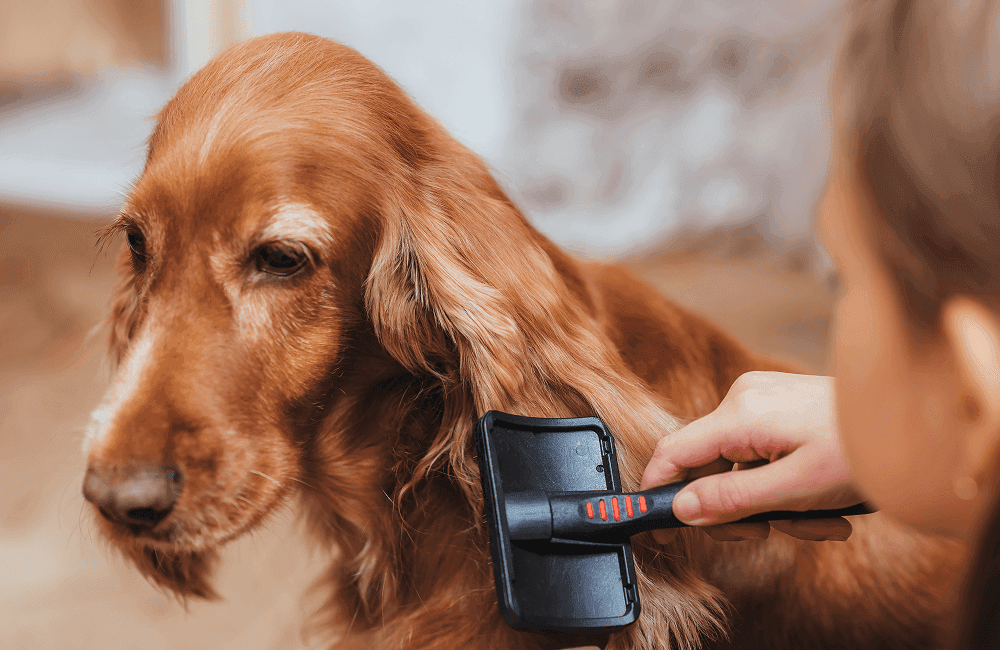
Regular brushing is the most important part of coat maintenance. It removes loose hair, prevents painful matting, and stimulates blood circulation in the skin.
Short-haired dogs: Even if they don’t seem to "need" it, brushing once or twice a week with a soft bristle brush or a rubber grooming mitt helps remove dead skin cells and distributes natural oils.
Long-haired and double-coated dogs: These breeds require daily attention. Use a slicker brush for tangles and an undercoat rake to reach the thick layer underneath. This is especially crucial during the shedding seasons in spring and autumn.
Pro Tip: Always brush in the direction of hair growth and be extra gentle around sensitive areas like the belly and ears.
The Golden Rule of Bathing
Unlike humans, dogs do not need daily showers. In fact, bathing them too often can strip their skin of protective oils and lead to dryness or irritation.
Frequency: A bath every 2 to 3 months is usually sufficient, unless your dog has had a particularly "muddy" adventure.
The Right Product: Never use human shampoo, as the pH value of dog skin is different from ours. Use a mild, pH-balanced dog shampoo.
Drying: After the bath, towel-dry your dog thoroughly. If you use a hairdryer, keep it on a cool setting and at a safe distance to avoid overheating the skin.
Nutrition: Beauty Comes from Within
A dull coat or flaky skin is often a sign of a nutrient deficiency. To keep the fur shiny and strong, your dog needs specific "fuel":
Omega Fatty Acids: Omega-3 and Omega-6 (found in salmon oil or linseed oil) are game-changers for coat shine.
Biotin and Zinc: These support skin regeneration and hair growth.
Hydration: Always ensure your dog has access to fresh water, as dehydration can lead to brittle fur.
Special Care for Paws and Ears
Grooming doesn't stop at the fur. Especially in long-haired breeds, hair can grow quite long between the paw pads, trapping dirt or ice.
Trim the "Toe Tufts": Keep the hair between the pads short to prevent slipping and infections.
Ear Checks: While grooming, take a moment to look into the ears. They should be clean and odorless. Excess hair in the ear canal can sometimes trap moisture, so consult your vet if your breed requires ear plucking.
When to See a Professional
If you notice bald patches, extreme itching, or a sudden change in coat texture, it might be more than just a grooming issue. Parasites, allergies, or hormonal imbalances could be the cause. In these cases, a visit to the vet is the best course of action.