Hot pavements and your cat's paws
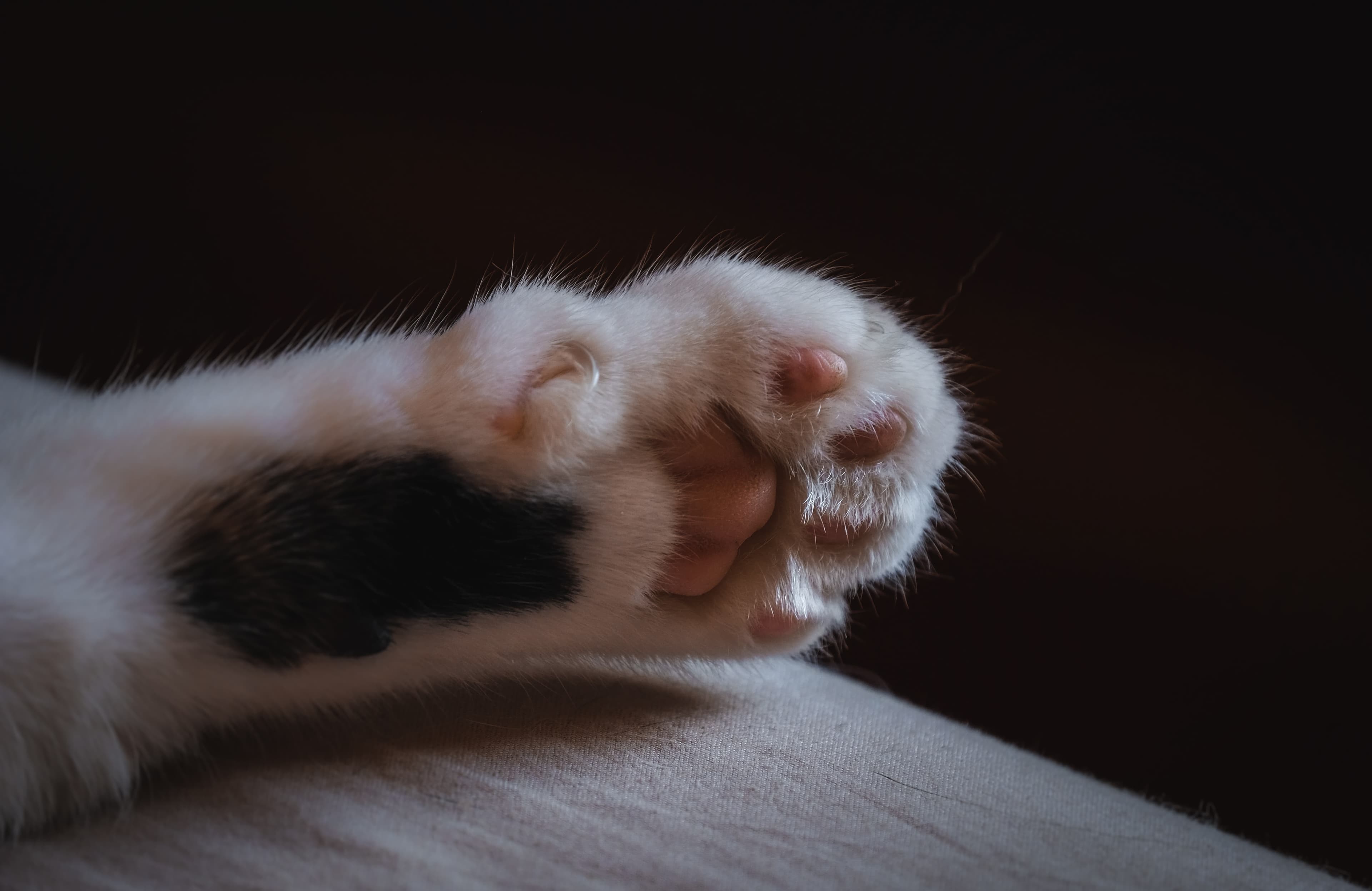
Did you know that pavement can easily reach temperatures of +50°C on a hot summer day? We humans wear shoes, so we don’t notice, but your cat walks barefoot. They step directly onto scorching surfaces, and their paw pads aren’t as tough as we might think. A simple test: place your forearm on the pavement. If it feels too hot for you, it’s definitely too hot for your cat.
Burns to paws are extremely painful. Even when it hurts, cats find it hard not to walk on their paws. The burns can range from minor soreness to blisters that burst, causing severe wounds. Left untreated, these can lead to infections and long-term pain.
Treating burnt paws
If your cat burns its paws, clean the pads immediately and apply a light bandage to prevent bacteria from reaching the wound or your cat from licking it. A protective cone might be necessary. For severe burns, please contact your vet straight away. These injuries are incredibly painful and your cat may need pain relief and professional treatment.
It’s not always easy to protect your cat when they’re allowed outside. Here are a few guidelines to keep in mind on warm days:
Only let your cat out in the early morning or late evening.
If walking your cat on a lead, stick to grassy areas or the side of the pavement.
Check your cat’s paws every evening and apply a moisturiser if they seem dry.