
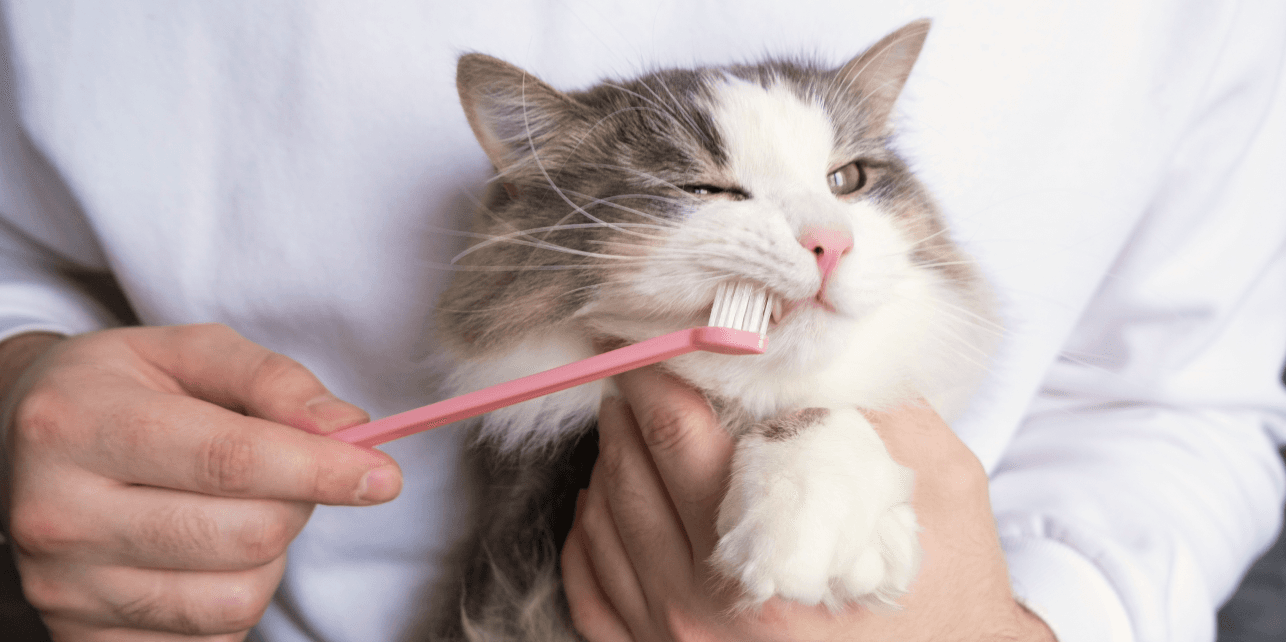
How to brush your cat's teeth
Brushing your cat's teeth is incredibly important for their oral health, and it's something all cat owners should do from time to time – at least regularly, but preferably daily if possible. This is especially important as brushing helps to keep your cat's oral health in check, just as it does for us humans. By continuously brushing your cat's teeth, you can not only improve their oral health but also prevent a whole range of diseases that might otherwise occur. Whether you have a male or female cat, an outdoor or indoor cat, regardless of age or breed, your cat's teeth should be brushed. Below we go through everything you need to know about brushing your cat's teeth!
Why is it important to brush your cat's teeth?
As mentioned, brushing your cat's teeth is very important for a number of reasons. One crucial reason is that plaque can build up on your cat's teeth and harden into tartar. If left untreated, this can contribute to tooth loss. Regularly brushing your cat's teeth removes plaque, which significantly reduces the risk of tooth loss.
In addition, brushing helps to improve your cat's overall oral health, keeping their teeth clean, healthy, and strong, and keeping their breath fresh. Brushing your cat's teeth also allows you to spot any issues early on that might need veterinary attention.
If your cat is in pain or has any damage to their teeth or gums, brushing will help you notice it. This way, you can ensure your cat stays healthy and well, while potentially avoiding expensive vet bills.
When should I brush my cat's teeth? And how early can I start?
Make brushing a habit and do it regularly, preferably every day. It's important that brushing is done correctly and that your cat is comfortable with it.
To get your cat used to brushing, it's a good idea to start when they are very young – the earlier the better. You can start gently as soon as your kitten comes home. This is mainly to get them used to the routine and the handling involved. However, it can be helpful to take a break during the period when they are losing or changing their teeth, as their mouths can be sensitive then. Importantly, adult cats can also be accustomed to brushing, so it's never too late to start, even if you didn't get the chance to teach your cat at an early age.
What do I need to brush my cat's teeth?
To brush your cat's teeth effectively, comfortably, and with the best results, the following tools are essential:
A soft toothbrush or a finger brush. Alternatively, you can use a clean piece of gauze or a soft cloth wrapped around your finger. For a cat-specific toothbrush, consider this option.
A cat-friendly toothpaste. Choose a flavoured one if it helps your cat accept brushing (never use human toothpaste).
How do I brush my cat's teeth?
When brushing your cat's teeth, it's important to get it right. To achieve the best results and ensure your cat feels safe and comfortable, use the right methods and techniques. Here are a few things to keep in mind:
Creating the right environment is key
Making sure your cat feels comfortable with the toothbrush is incredibly important, for both your sanity and the effectiveness of the brushing. Never force your cat or use aggressive methods. Instead, brush on your cat's terms and get them used to the feel, the movements, and the tools before you properly start. Another tip is to avoid sitting directly in front of your cat. Ensure they have a clear exit path – this creates a sense of calm and freedom. Remember, don't hold your cat down; be patient and responsive to their cues!
Getting started: The learning process
To help your cat get used to brushing, you can start by gently stroking along their cheek. Many cats find this comforting, similar to how they rub against things. Do this for a few days to get your cat accustomed to the sensation and associate it with a positive experience.
Once your cat is comfortable sitting still while you stroke their face, you can slowly introduce the toothbrush, gradually replacing your finger. Continue stroking until the toothbrush no longer seems 'dangerous', unfamiliar, or distracting. When they're relaxed, you can start occasionally rubbing the brush or your finger along their cheek teeth while stroking.
As you progress, you can extend the duration and reach, moving from strokes on the face to gently brushing the cheeks, teeth, and inside the mouth. The more you practice and the more patient you are, the better it will go. Eventually, you'll be able to brush their teeth without any problems. Always remember not to force anything – patience is the key to success.
Supplements
Some supplements are marketed to help with dental problems in cats, but their effectiveness is often limited. Daily tooth brushing is the most proven preventative treatment for tartar, tooth loss, and gum inflammation. If you have any concerns about your cat's oral health, consult your vet for advice.