Cornish Rex: A Comprehensive Guide
Discover the Cornish Rex: a unique and engaging feline companion.
Weight: 2.5 - 4.5 kgWither height: 25 - 30 cmEnergy level: Very energeticLifespan: 9 - 13 yearsSocial need: HighColours:Available in a wide range of patterns and colours, including black, cream, blue, grey, red, champagne, brown, and white.Health problems:Generally healthy, but can be prone to hypotrichosis (hair loss), eye conditions, and skin sensitivities.
The Cornish Rex Personality
The Cornish Rex is an energetic, inquisitive, and highly social breed. They have a strong need for mental and physical stimulation, excelling at jumping, playing, and climbing. Consider getting a pair if your Cornish Rex will be home alone often, as they enjoy having a playmate. Known for being very people-oriented, they love to cuddle with their owners. While they adapt well to indoor living, they can often be leash-trained for supervised outdoor adventures.
Appearance and Coat Care
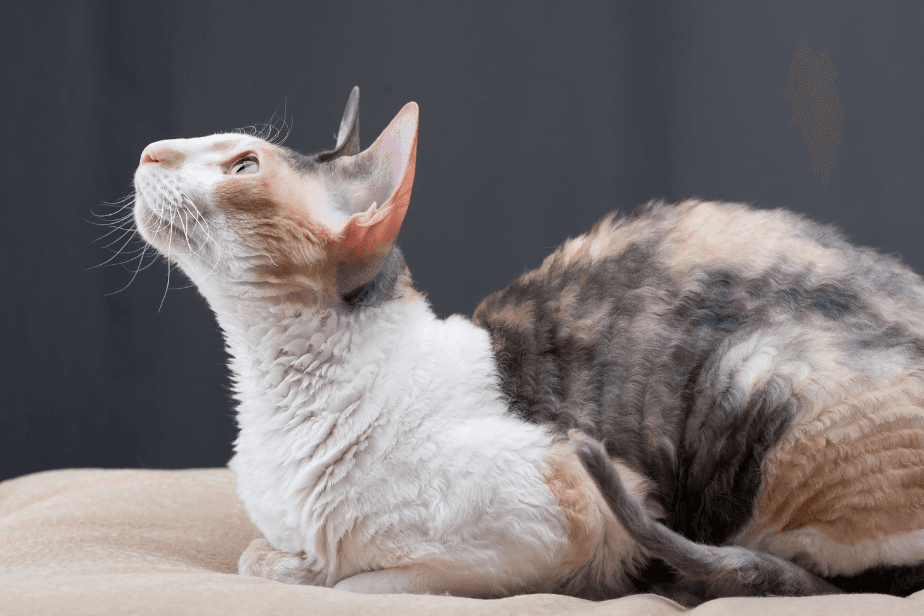
The Cornish Rex is a slender, elegant, and muscular cat with a distinctive wavy or curly coat, similar to the Devon Rex. Their short, soft coat is low-maintenance, consisting almost entirely of soft undercoat. This means they shed very little, which can be beneficial for allergy sufferers. However, their thin coat offers less insulation, making them sensitive to cold and happiest kept indoors. A weekly brush will help maintain the coat and minimise shedding.
Health Considerations
While generally a healthy breed, the Cornish Rex can be predisposed to certain hereditary conditions. Their unique coat can make them susceptible to skin issues like dryness or irritation, so regular moisturising is advisable. Due to their large, prominent eyes, they may experience excessive tearing or develop eye infections; routine cleaning and care are important. Some may also develop hypotrichosis, a condition causing hair loss.
Dental Health
Did you know your cat needs their teeth brushed? Daily brushing is the most effective way to prevent dental diseases like periodontitis. Periodontal disease is common in cats and often linked to conditions like FORL (Feline odontoclastic resorptive lesions). While brushing can be a challenge, using treats and patience can help your cat gradually accept it. Learn more about effective tooth brushing techniques in our app.
Toxic Substances
Many common household items can be toxic to cats. Be aware of plants that may be poisonous to felines – you can find a helpful list in the Lassie app. Other dangers include chocolate and rodent poisons. Always store potentially harmful substances securely out of your cat's reach.