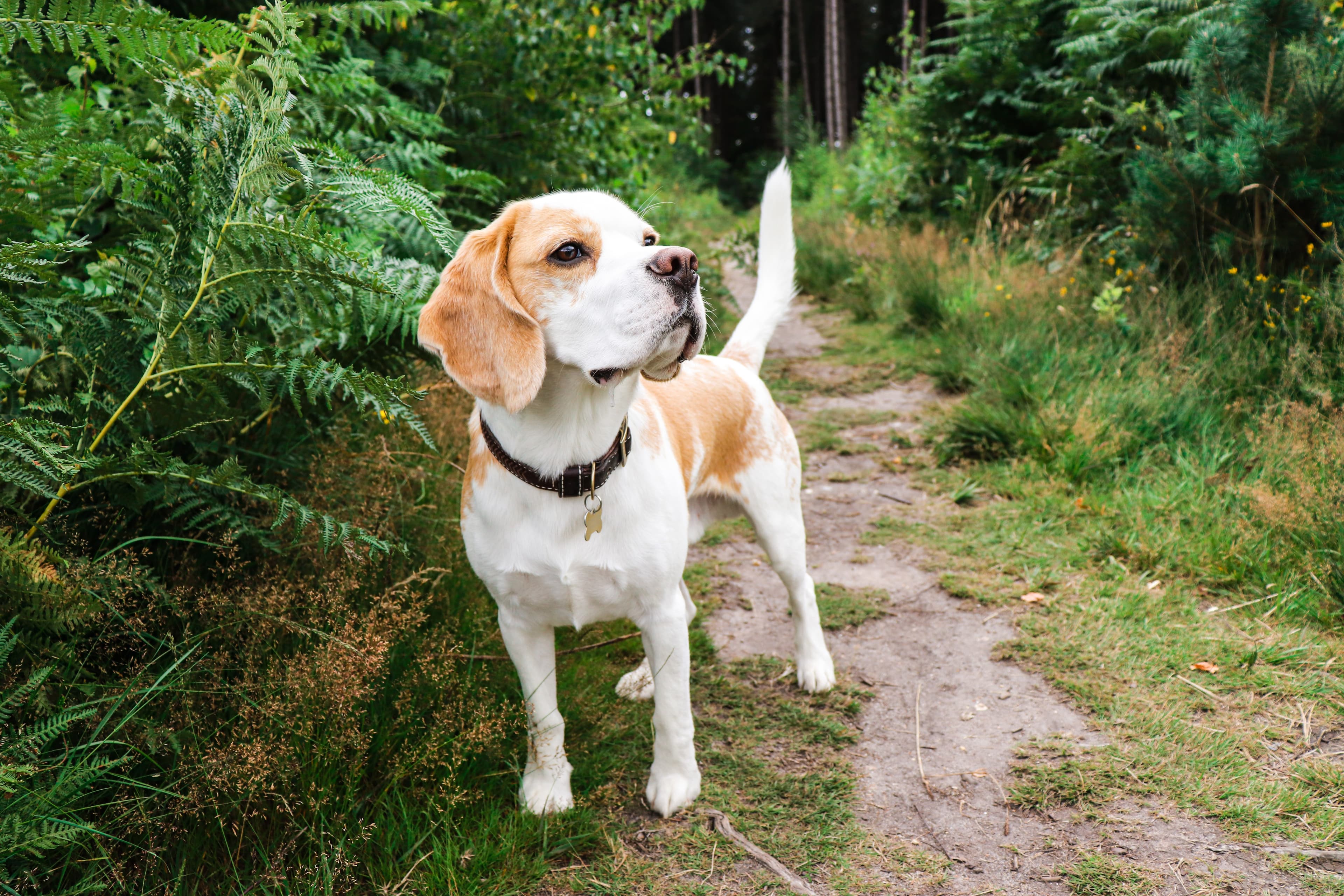
Beagle Guide - All You Need to Know About the Breed
Beagle dog breed in brief:
Weight: Male 10 - 20 kg | Female 10 - 20 kg
Height: Male 38 cm | Female 33 cm
Energy level: Average
Life expectancy: 12-15 years
Tendency to drool: Low
Tendency to snore: Slight
Tendency to bark: High
Tendency to dig:: Low
Social/attention needs:: High
Designed for:: Rabbit and hare hunting
Colours: 'Hound colours' with hints of white, black and tan
Health problems: Generally a healthy breed but can be prone to conditions like slipped discs and epilepsy.
The Beagle is a curious, happy, and loving dog that enjoys accompanying its family on adventures. Despite their relatively small size, they are very muscular and have a great need for stimulation and exercise. The breed has been around for many years and is one of the most famous breeds worldwide.
Care
Their short-haired coat is easy to care for; the Beagle only needs bathing or showering when necessary. Be sure to use a dog-friendly shampoo!
Of course, the dog's claws need to be taken care of! The claws should be clipped when needed, a recommendation is not to wait too long, once a month may be enough. It's better to clip a little and often than a lot and rarely. You need to get your dog used to having its claws clipped from an early age, in the claw clipping course we give you our best tips on how to clip your dog's claws!
Weight Control
Despite their small, neat size, Beagles have a tendency to gain weight easily and are therefore at risk of becoming overweight. Try to regularly check your dog's body condition to determine if they're the right size. You can learn more about this in the Weight Management course.
Lameness
Lameness can affect any dog, including Beagles. It's important to remember that lameness is always a sign of pain. Lameness can vary in severity and complexity, of course. You can learn more about this in the general lameness course.
Oral Health
Taking care of your dog's oral health is important, especially if you have a Beagle. Regular tooth brushing is essential for good oral health. Getting your dog comfortable with brushing their teeth takes practice and patience. You can learn more here.
Socialisation
Socialising your dog is important. Start practising environmental training at an early age. You need to let your dog experience both sounds and places that they will encounter as an adult. Learn more about socialisation and environmental training here.
Lumps on Dogs
Especially as your dog starts to get a little older, there's an increased risk of them developing lumps or neoplasms. A lump doesn't necessarily mean the dog has cancer – there are both benign and malignant lumps. It's important to detect malignant lumps early, as there's often a better chance of recovery. So, get into the habit of feeling your dog regularly. You can learn more about how to feel your dog and the different types of lumps they can develop in this course.