
A balanced day
Like us, our dogs need a balanced daily routine to avoid being under or over-stimulated. Achieving this balance means combining meaningful activities with plenty of rest. This helps prevent stress and unwanted behaviours.
What is a balanced day?
A balanced day is a mix of activity and rest – not a dog that only recovers, nor one that’s active all day. We’ll provide guidelines, but remember your dog is unique. Finding their perfect balance might take time. Some individuals need more rest, while others need more movement and stimulation. Explore what works best for your dog.
Under- and over-stimulation
Under- and over-stimulation often appear side-by-side because they can manifest in similar ways. If stimulation isn’t balanced, a dog can become stressed, leading to unwanted behaviours like pulling on the lead, chewing household items, or digging up the garden. To tell if it’s under- or over-stimulation, consider the days leading up to the behaviour. Then, adjust activities accordingly.
Often, it’s breed-specific traits that are triggered when a dog is under- or over-stimulated. You might see your sheepdog suddenly herding cars or passers-by, your terrier digging up the lawn, or your Labrador constantly needing to carry things and search for birds.
Movement
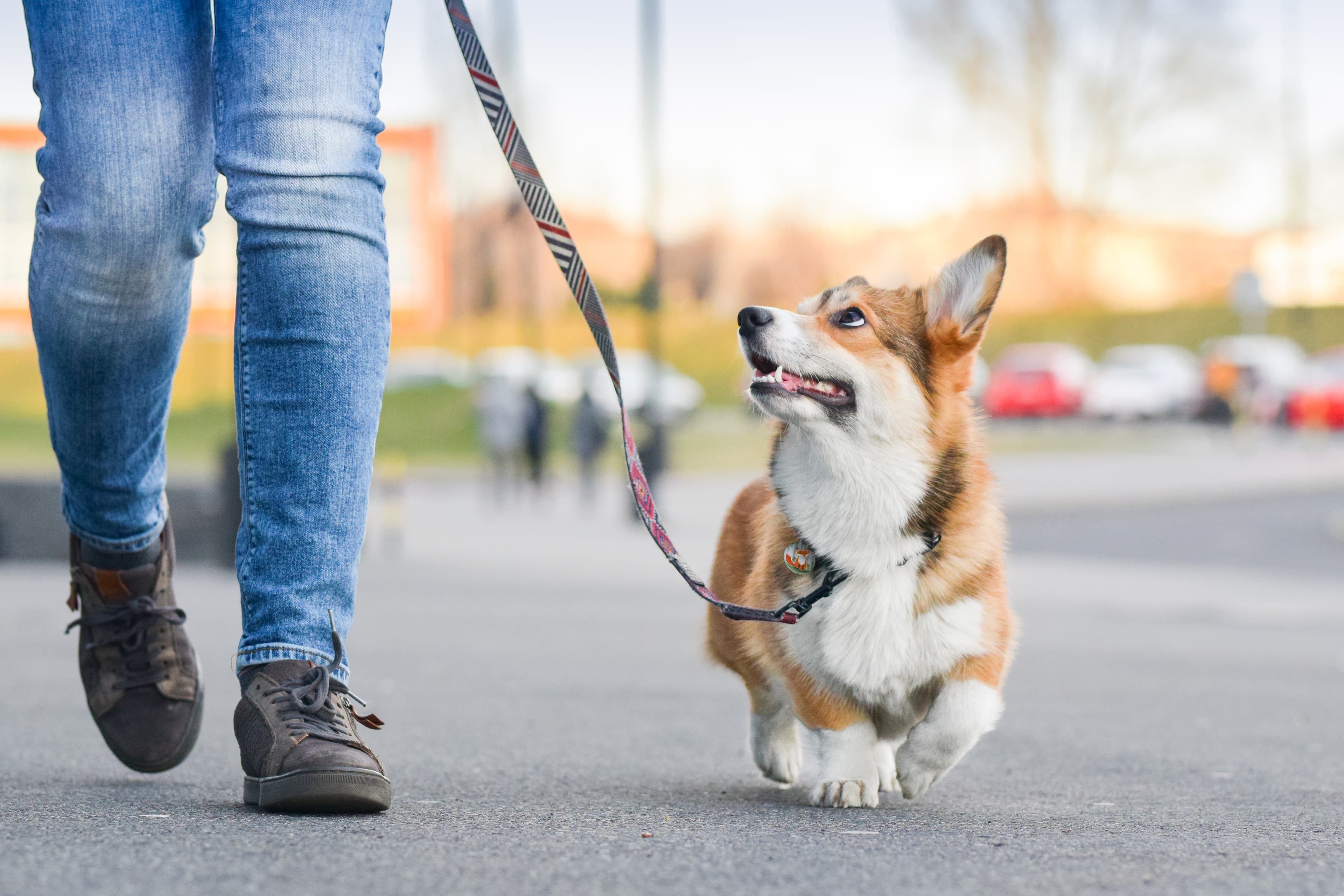
All dogs need daily movement to feel good. How much and what kind varies between individuals, influenced by breed and age. Generally, dogs need 30 minutes to 2 hours of walking daily, preferably in varied terrain and at their own pace – whether on a long lead or off-lead. Often, behavioural issues can be resolved simply by providing more freedom and exercise.
Rest and recovery
Everyone needs recovery, and it’s especially true for dogs. Dogs typically rest or sleep around 16–18 hours a day, depending on age (puppies need more). Without opportunities to rest, dogs can become overstimulated and stressed. Too much rest, however, can lead to under-stimulation, which often looks similar to over-stimulation. Aim for at least one day a week where your dog can fully recover from busy walks, training sessions, or socialising with other dogs.
Healthy stimulation
Use common sense when it comes to stimulation. Avoid activities that significantly raise stress levels more than a couple of times a week. This includes things like vigorous ball play, agility, intense training sessions, or competitive obedience. Plan your dog's week to avoid too many high-stress activities.
However, daily stimulation that doesn't overly raise stress levels is beneficial. Try puzzle toys for their food, hide treats in the garden, offer chew bones, engage in simple clicker training, or play scent games in the woods.
Achieve balance
All the elements above are important. There's nothing wrong with high-energy activities, but relying solely on them can prevent adequate recovery. Use your judgement, observe your dog’s well-being, and keep this balance in mind when planning your week together. A balanced day is key to a healthy life!