The Abyssinian: Everything You Need to Know About This Cat Breed
Abyssinian Cat Breed: Quick Facts
Weight: Males 3 - 5 kg, females 2.5 - 4 kg
Wither height: 25 - 30 cm
Energy level: Energetic
Lifespan: 12 - 15 years
Social need: Great
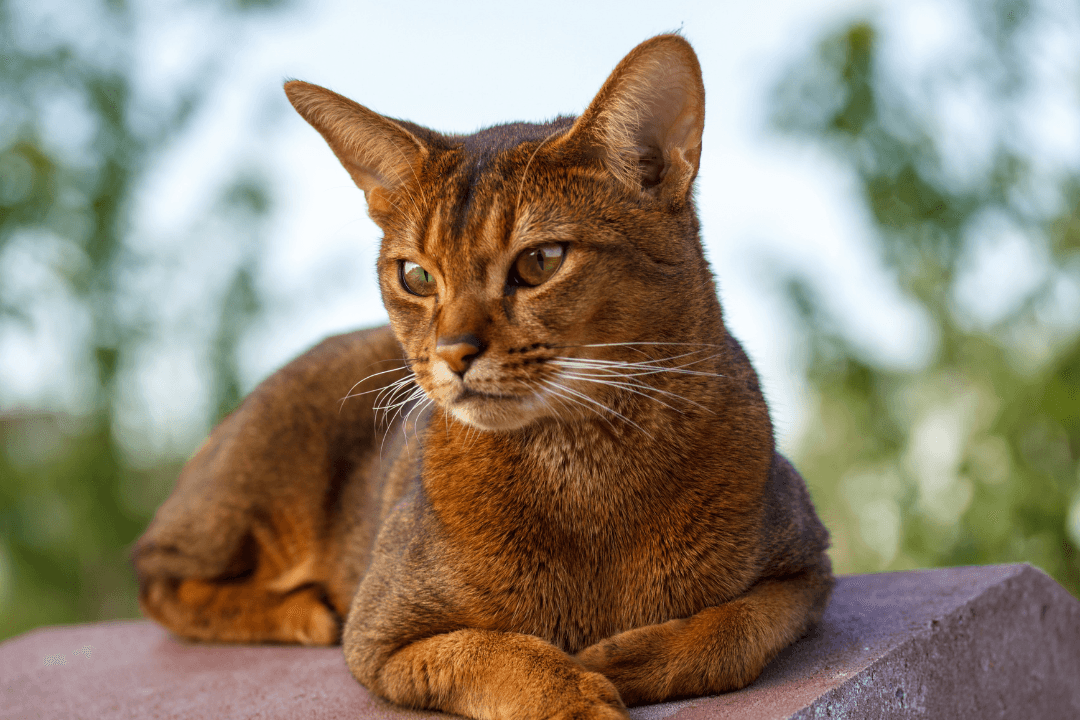
Colours:Plain and has four basic colours - agouti (warm brown), sorrel (cinnamon), fawn (beige) and blue. The colours chocolate and lilac also occur in the breed.
Health problems: Generally healthy but can be prone to serious genetic conditions like Progressive Retinal Atrophy (PRA), a degenerative eye disease, and Pyruvate Kinase Deficiency (PK Deficiency), a blood disorder. The breed also has an increased risk of developing diabetes.
The Abyssinian Personality
Abyssinians are an active, playful, and sociable cat breed. They love to be involved in everything, enjoying cuddles and playtime with everyone – humans and other animals alike – and are happiest with a feline companion. An Abyssinian needs plenty of stimulation and challenges to thrive; they are intelligent cats with a high need for exercise and a natural instinct to hunt. They adapt well to both indoor and outdoor living, provided they have ample opportunity to explore and move. Their intelligence also makes them highly trainable; for instance, they can easily learn to walk on a lead.
Abyssinian Appearance and Coat Care
The Abyssinian is a medium-sized cat, known for its slender, muscular build, often likened to a mini-puma. Distinctive features include large, expressive eyes, tufts on the ears, and their characteristic "ticked" coat. This ticking means each hair has multiple bands of colour, creating a shimmering effect with lighter and darker tones against a base colour, giving them a truly unique appearance. The coat is short, fine, and soft, with minimal undercoat, making it easy to care for. A weekly brush is usually sufficient to keep their coat in good condition.
Abyssinian Health Considerations
Abyssinians are generally a healthy breed. However, it's important to be aware of potential genetic conditions. They can be affected by Progressive Retinal Atrophy (PRA), a hereditary eye disease that can lead to blindness. They may also develop Pyruvate Kinase Deficiency (PK Deficiency), an enzyme deficiency affecting red blood cells, which can cause severe anaemia and, in critical cases, be fatal. Fortunately, DNA testing can identify carriers before breeding. This breed also appears to be more predisposed to diabetes than some other breeds.
Dental Health
Did you know daily brushing is the best way to protect your cat's teeth from gum disease? Learn more about preventing periodontitis. The dental condition FORL is common in cats, often linked with gum disease. While brushing a cat's teeth can be a challenge, patience and positive reinforcement with treats can help them get used to it. Find tips on how to brush your cat's teeth and learn more about feline dental care.here. The dental disease FORL is common among cats and often occurs in connection with periodontitis. Brushing the cat's teeth can be a challenge, but with treats and a lot of patience, the cat will eventually get used to it. Learn more about how to brush your cat's teeth here. Learn more about cat dental care here.
Poisoning Risks
Many common household items can be poisonous to cats, sometimes unexpectedly. Plants, for instance, can be hazardous; find out which ones are toxic. Other common toxins include chocolate and rodenticides. It's crucial to store any dangerous substances safely out of your cat's reach.here. Further examples of what is poisonous to cats are chocolate and mouse and rat poison. It's important to store things that are dangerous to cats in a place they can't get to.