Feeding Your Kitten
Why Feeding Your Kitten The Right Food Is Important
Your kitten is growing rapidly and requires specialised nutrition during this critical developmental phase. Kittens undergo tremendous physical and mental development in their first year (or up to 18-24 months for larger breeds).
During these growth stages, kittens need:
Rapid bone and teeth development support
Brain development and cognitive maturation
Immune system strengthening
Organ and tissue development
Substantial energy for growth and play
A healthy, active kitten burns up to double the calories of an adult cat, making proper nutrition essential for long-term health.
When Do Kittens Start Eating Solids?
Newborn kittens depend entirely on their mother's milk for the first few weeks. Around 6-8 weeks of age, kittens are ready to transition to solid food. At this developmental stage, specialised kitten food should be introduced to meet their unique nutritional needs.
How Long Should A Kitten Eat Kitten Food?
Duration varies by breed size:
Small Breeds
Typically require specialised kitten food until approximately 12 months of age.
Larger Breeds
May need kitten-specific nutrition for 18-24 months to support proper growth rates and bone development.
Individual Variation
Always consult your veterinarian to determine the ideal transition time for your specific kitten, as individual growth rates vary significantly.
What Should I Feed My Kitten?
Specially-formulated kitten diets are crucial for optimal development. Kitten food is complete and balanced, providing all necessary nutrients for healthy growth. Supplements and human food are unnecessary and potentially harmful.
The Best Kitten Food - What To Look For
Higher Caloric Density
Kitten food contains more calories per serving than adult cat food because kittens require substantial energy for growth and play. This ensures adequate nutrition in appropriate portion sizes.
Increased Protein Content
Kitten formulas contain higher protein levels to support:
Muscle development
Organ growth
Tissue formation
Immune system maturation
Essential Nutrients At Elevated Levels
Critical nutrients for kitten development include:
Calcium: Essential for strong bone development and skeletal formation
Magnesium: Supports overall health and metabolic function
Iron: Critical for healthy blood and oxygen transport
Zinc: Supports immune function and coat health
Vitamin D: Essential for bone and teeth development
Taurine: Critical amino acid for cat health and eye function
Arachidonic acid: Essential fatty acid unique to feline nutrition
DHA (Docosahexaenoic acid): Supports brain development and vision
Appropriate Kibble Size
Kitten food features smaller kibble sizes designed for:
Smaller mouths and developing teeth
Easy chewing and swallowing
Appropriate texture for young palates
Encouragement of healthy eating habits
How Often Should A Kitten Eat?
Feeding frequency depends critically on age:
Very young kittens (Starting solids to 2 months)
4-6 meals per day in small portions
Begin with approximately 1 tablespoon per meal
Still receiving nutrition from mother if available
Supports developing digestive system
Prevents overwhelming young stomachs
2-3 Months Old
4 meals per day
Transition from mother's milk progressing
Growing appetites accommodated
Regular feeding intervals maintain energy levels
Digestive system maturing
4-6 Months Old
2-3 meals per day
Appetite increasing as growth accelerates
Flexibility in feeding frequency based on kitten size
Larger portions becoming appropriate
Digestive system handling more food
6+ Months Old
2 meals per day (depending on breed)
Approaching adult feeding patterns
Larger breed kittens may continue more frequent feeding longer
Portion sizes increasing
Transition to adult food approaching
Feeding Guidelines And Portion Control
Portion sizes depend on multiple factors:
Your kitten's current age and weight
Expected adult size and breed
Activity level and playfulness
Type of food (wet versus dry)
Individual metabolism and growth rate
More Active Kittens
Playful, energetic kittens burn more calories and require additional food for fuel.
Less Active Kittens
Calmer kittens may require slightly less food.
Always Check Packaging
Feeding guidelines on kitten food packaging provide excellent starting points. Adjust portions based on your individual kitten's growth and body condition.
Can You Overfeed A Kitten?
Yes, overfeeding causes serious problems:
Digestive Upset
Stomach upset and discomfort
Diarrhea and vomiting
Disrupted digestive system development
Excessive Weight Gain
Too much weight gain too quickly
Pressure on developing skeletal frame
Risk of developmental orthopedic disease
Long-term obesity predisposition
Always follow feeding instructions carefully and adjust based on individual kitten needs.
Should I Feed My Kitten Before Or After Exercise?
Avoid feeding immediately before or after activity. Allow approximately one hour between feeding and exercise/play.
Reasons For This Timing
This timing prevents:
Stomach upset and vomiting
Gastric bloat (stomach swelling)
Gastric torsion (stomach twisting) - serious in large breed kittens
Digestive complications
Establish Healthy Routines
Create a routine where kittens rest after eating, promoting healthy digestion and preventing medical emergencies.
Where Should I Feed My Kitten?
Create Ideal Feeding Environment
Quiet Location
Feed away from household activity
Provide peaceful eating space
Ensure unobstructed access to food
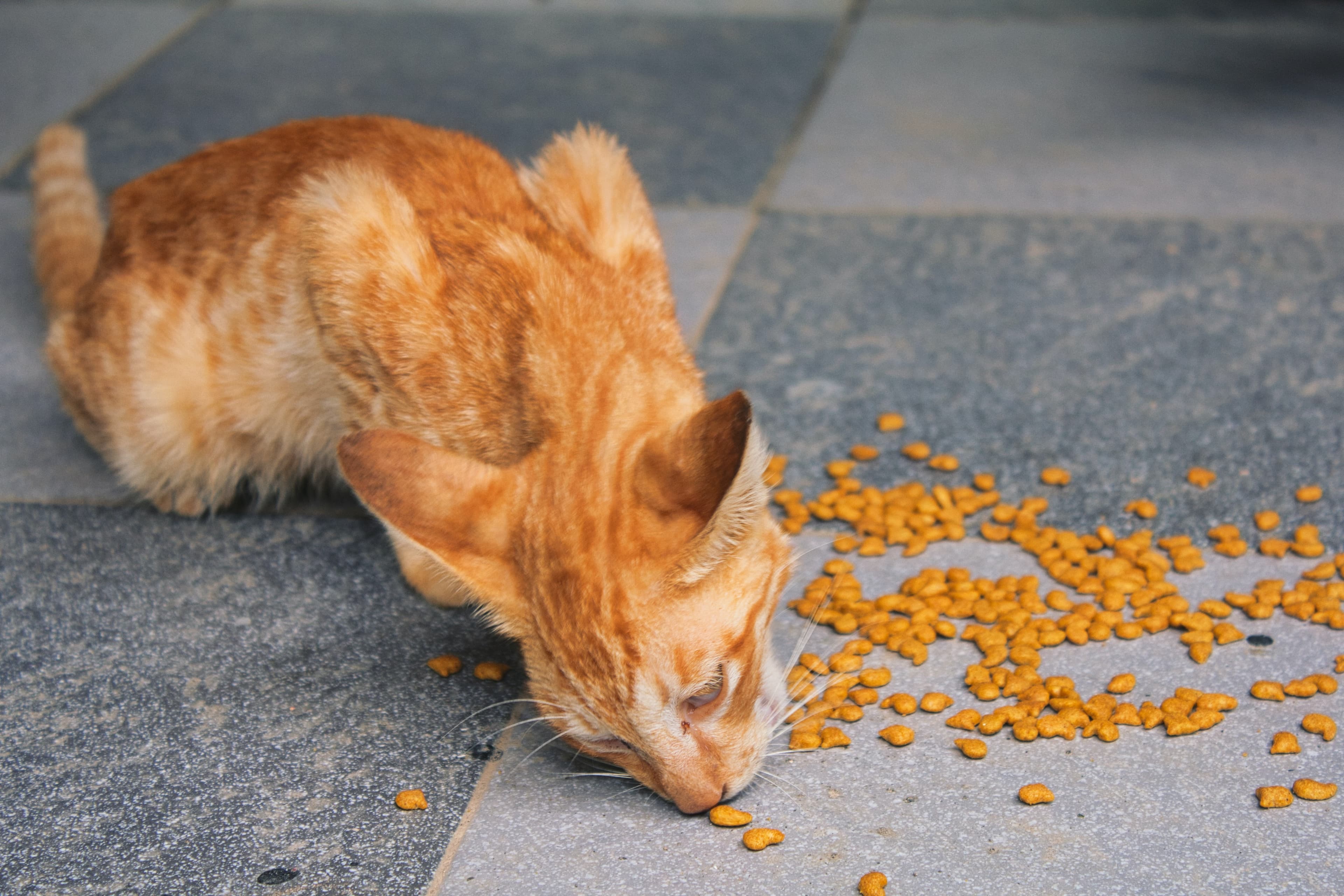
Easy-To-Clean Surface
Use tiled floors or feeding mats
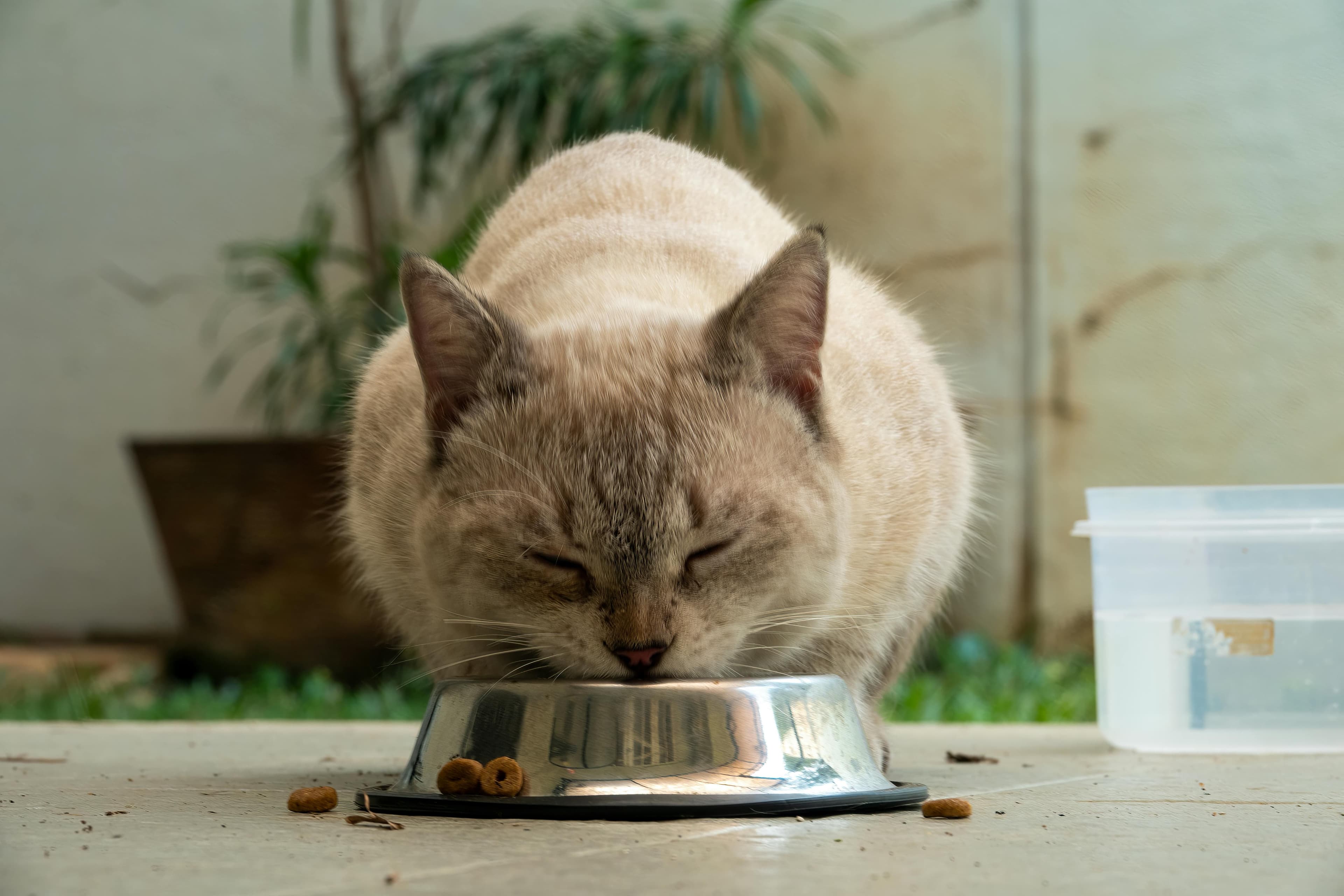
Place food in clean bowl
Simplify cleanup
Multi-Kitten Households
Provide separate food bowls for each kitten
Space bowls apart to reduce stress
Feed in separate areas when possible
Prevent competition and fighting
Keep food away from litter boxes (cats naturally prefer eating far from toilets)
Child Safety
Keep children away during feeding
Prevent bolting behavior
Avoid food guarding behavior development
How To Feed Your Kitten
Feeding Methods: Wet Vs Dry Kitten Food
Wet Kitten Food
Benefits
Can be warmed to release appetising aromas
Often more palatable for young kittens
Higher moisture content aids hydration
Easier for kittens with dental issues
More attractive presentation
Serving Guidelines
Serve at room temperature for best appeal
Remove from fridge 1 hour before feeding
Can microwave briefly to warm (never hot)
Use within 24 hours of opening
Cover and refrigerate opened portions
Dry Kitten Food
Benefits
Convenient storage with longer shelf life
Helps keep kitten teeth clean through chewing
Allows portion control and grazing options
Can be used in food puzzle toys for enrichment
Generally more economical
Kitten Preferences
Most kittens enjoy crunching kibble
If kitten prefers moistened food or has medical reasons for soft food, soak kibble in water for a few minutes
Can mix in dental treats if moistening (crunching helps remove plaque)
Take treat calories into account with daily totals
How To Change From Wet To Dry Kitten Food
Kittens have sensitive digestive systems. Sudden food changes cause upset.
Transition Timeline (7-10 Days)
Days 1-2: Mix 75% old food with 25% new food
Days 3-4: Mix 50% old food with 50% new food
Days 5-6: Mix 25% old food with 75% new food
Days 7-10: Transition to 100% new food
Slower Transition If Needed
If digestive upset occurs (diarrhoea, vomiting), extend transition to 10-14 days.
Wet To Dry Transitions
When switching from wet to dry:
Kitten may initially take longer to eat
More active chewing required as they adjust
Increased water drinking is normal (dry food contains less water)
This adjustment period is temporary
Dry To Wet Transitions
When switching from dry to wet:
Kitten may drink slightly less (wet food provides water)
Texture adjustment may take time
Can mix in dry kibbles initially for familiarity
Gradual acceptance develops over days
Portion Size Differences
Remember: dry food is more energy-dense than wet food
Smaller-looking portion of dry food = larger wet portion nutritionally
Same caloric content in different volumes
Adjust meal sizes accordingly
What Not To Feed Your Kitten
Dangerous And Toxic Foods
Raw meat
Risk of bacterial food poisoning
Never feed uncooked
Bones (especially chicken and fish bones)
Can damage teeth
Risk of intestinal obstruction
Serious digestive complications
Chocolate
Toxic to kittens
Never feed human chocolate products
Garlic
Toxic compound affecting red blood cells
Dangerous even in small amounts
Onions
Similar toxicity to garlic
Destroys red blood cells
Grapes and raisins
Toxic to cats
Avoid entirely
Food Preparation Safety
Always cook fresh meat thoroughly to eliminate bacteria
Remove all bone fragments before serving
Never feed "human" chocolate or products containing xylitol
Table Food And Treats Guidelines
Treat Restrictions
Treats should not exceed 10% of total daily calories
Account for treat calories by reducing main meals
Use only kitten-appropriate treats
Avoid Table Scraps
Disrupts balanced nutrition
Can cause digestive problems
Creates unhealthy begging behavior
May introduce toxic substances
Medication Considerations
Do not hide pills in food of picky eaters, as this may cause complete food refusal.
Other Important Kitten Feeding Tips
Consistency And Quality
Feed high-quality kitten food with good ingredients
Choose formulas specifically for kittens, not adult cats
Select complete and balanced options
Maintain consistency during early growth
Routine And Establishment
Feed at consistent times daily
Maintain same food initially when possible
Gradual transitions if food changes needed (7-10 days)
Predictable feeding supports healthy development
Growth Monitoring
Weigh kitten regularly (weekly is ideal)
Monitor appropriate growth rate for age and breed
Adjust portions if growth seems too slow or too rapid
Track body condition score
Ensure healthy development trajectory
Multi-Kitten Feeding
Feed in separate locations to reduce competition
Ensure each kitten receives adequate portions
Monitor individual intake carefully
Prevent bullying or food stealing
Dental Health Support
Dry kibble promotes dental health through chewing
Consider dental treats as part of diet
Regular brushing still recommended
Develops healthy oral habits early
Enrichment Through Feeding
Use food puzzle toys for mental stimulation
Scatter dry kibble for "hunting" play
Vary food types to maintain interest
Encourages natural predatory behaviors
When To Transition To Adult Food
Consult your veterinarian about transition timing based on:
Current age and development stage
Breed size and expected growth completion
Individual growth rate and maturity
Overall health status
General Guidelines
Small breed kittens: typically 12 months
Large breed kittens: typically 18-24 months
Individual variation is significant
Transition Process
Use same gradual transition method as food changes
7-10 day period for dietary adjustment
Monitor for digestive upset during transition
Increase portions as needed with adult food
Critical Health Considerations
Loss Of Appetite Requires Immediate Attention
Kittens are delicate with limited energy reserves.
If kitten hasn't eaten for more than 24 hours: Contact vet immediately
Very young kittens (still nursing/recently weaned): See vet within 24 hours if eating stops
Loss of appetite indicates potential:
Illness or infection
Other serious health issues
Digestive problems
How to monitor you kitten's health and wellbeing?
Track your kitten's overall health:
Steady weight gain appropriate for age and breed
Consistent energy levels and playfulness
Healthy coat condition and shine
Normal digestive function
No signs of illness or discomfort
Regular veterinary check-ups
Digestive Monitoring
Normal bowel movements
No vomiting or diarrhoea
Healthy appetite and eating behavior
Appropriate food intake
Developmental Monitoring
Growth appropriate for breed
Bone development progressing normally
Teeth coming in properly
Energy levels age-appropriate
Social and behavioral development on track