Keeping indoor cats active: Why and how
Cats are naturally active animals that need stimulation to feel their best. An outdoor cat has more opportunities to move and explore than an indoor cat. To thrive indoors, their home environment needs to be stimulating and encourage their natural behaviours. For example, an indoor cat doesn’t have an outlet for their natural predatory instincts, so they rely more on their owners for activation.
Indoors, your cat needs:
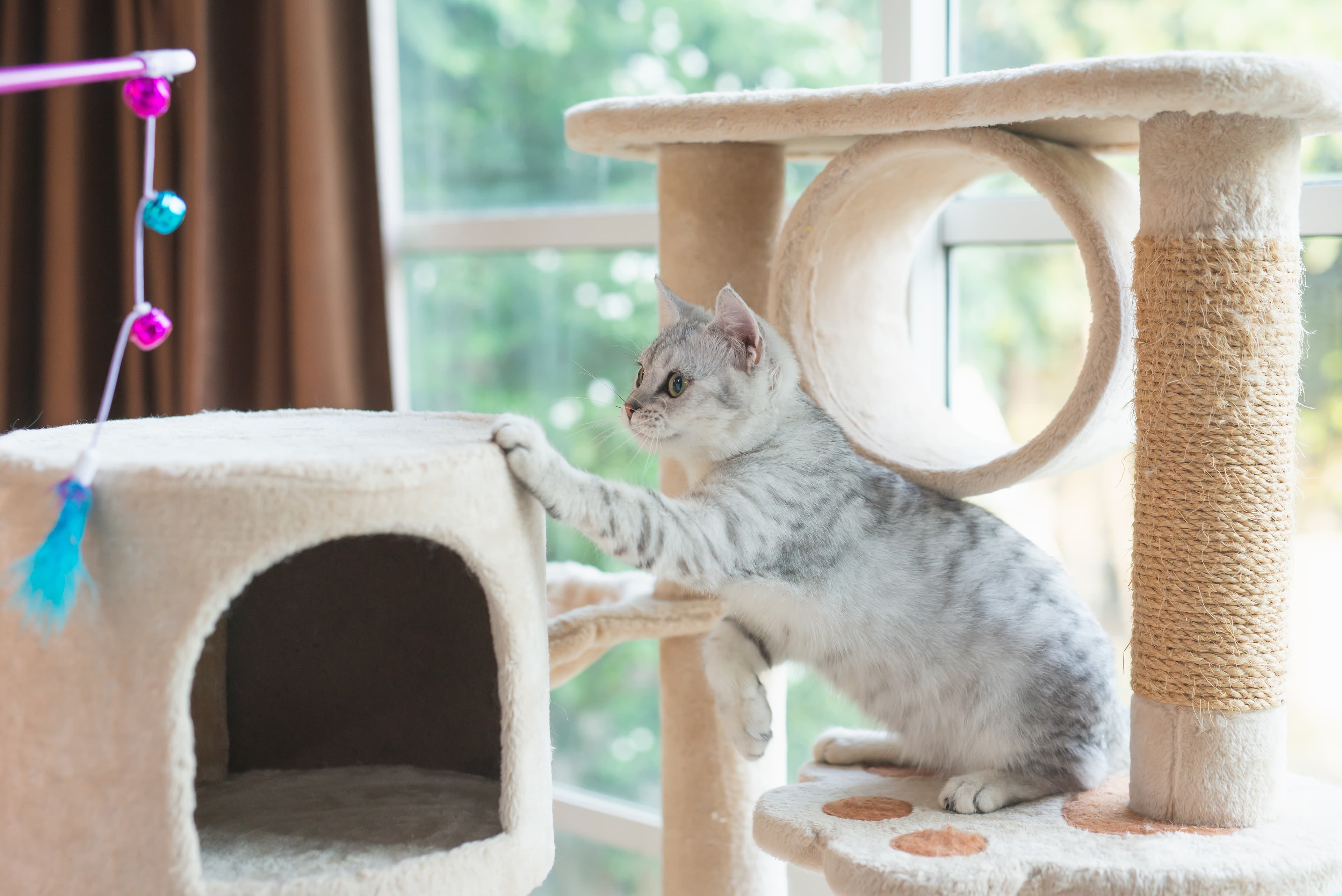
High-up beds and perches
Opportunities to scratch, for example on a scratching post
Places to hide when they want to be left alone
A cat that doesn't have its natural instincts stimulated is at risk of being understimulated. An understimulated cat may often seem hungrier and demand food if they aren't stimulated in other ways. Under-stimulation can therefore be a risk factor for obesity. Ensuring your cat gets to do things and move around daily can be positive for their mental wellbeing and can also help prevent obesity. Under-stimulation can also be a risk factor for stress. Signs that a cat may be stressed include urinating outside the litter box, excessive meowing, and over-grooming. Remember that these signs can also be symptoms of various medical conditions.
So, for your indoor cat to feel good, they need to be stimulated at home. Stimulating your indoor cat requires a bit of imagination, but there are lots of fun things you can do together! You can make your cat work a little for its food or treats by using an activity toy that requires them to use both their body and brain to get the food out.
Other examples of activities for indoor cats:
Playing with your cat regularly, which can also strengthen the bond between you
Using interactive toys such as wand toys, feather teasers, or food puzzles that allow your cat to catch a “real” reward
Encouraging mental stimulation through search and sniffing games
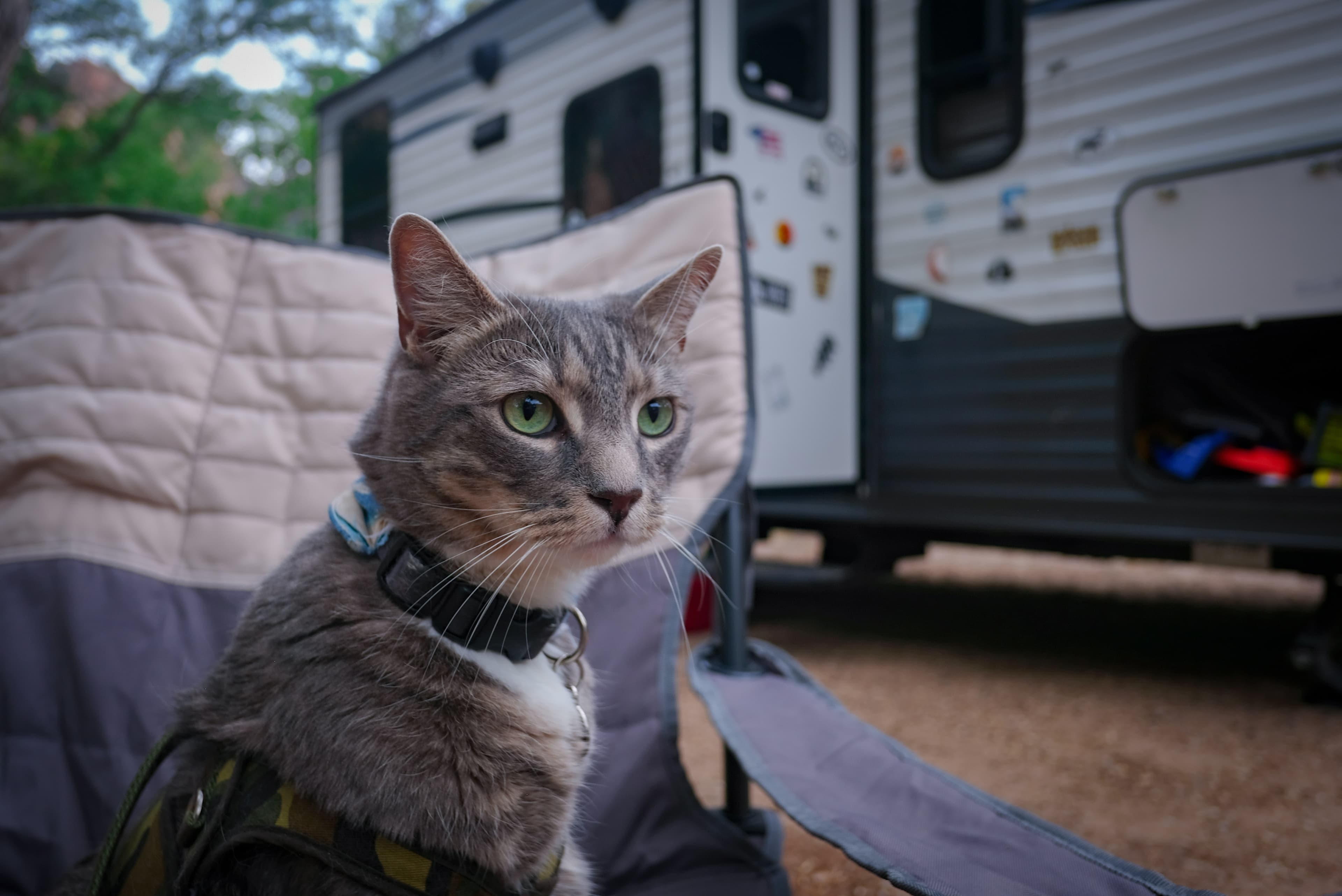
Taking your cat for a walk on a harness, if they are comfortable with it
Does your cat have a multitude of toys at home that they're no longer interested in? You can solve this by keeping only a few of your cat's toys out at a time. Then, after a few weeks, swap these for some of the other toys.