Enriching your cat's indoor world
All cats are natural predators that thrive on opportunities to hunt, climb, run, scratch, mark territory, stalk, and jump. Whether your cat lives indoors or has outdoor access, enriching their indoor environment is crucial for their wellbeing.
What is environmental enrichment?
Enrichment means providing opportunities for animals to express their natural behaviours. Like those listed above, cats are instinctive predators with behaviours that need satisfying. Exploring, hunting, and scratching are in their nature. The more an indoor environment mirrors the outdoors, the more secure and content your cat will feel.
Food and water
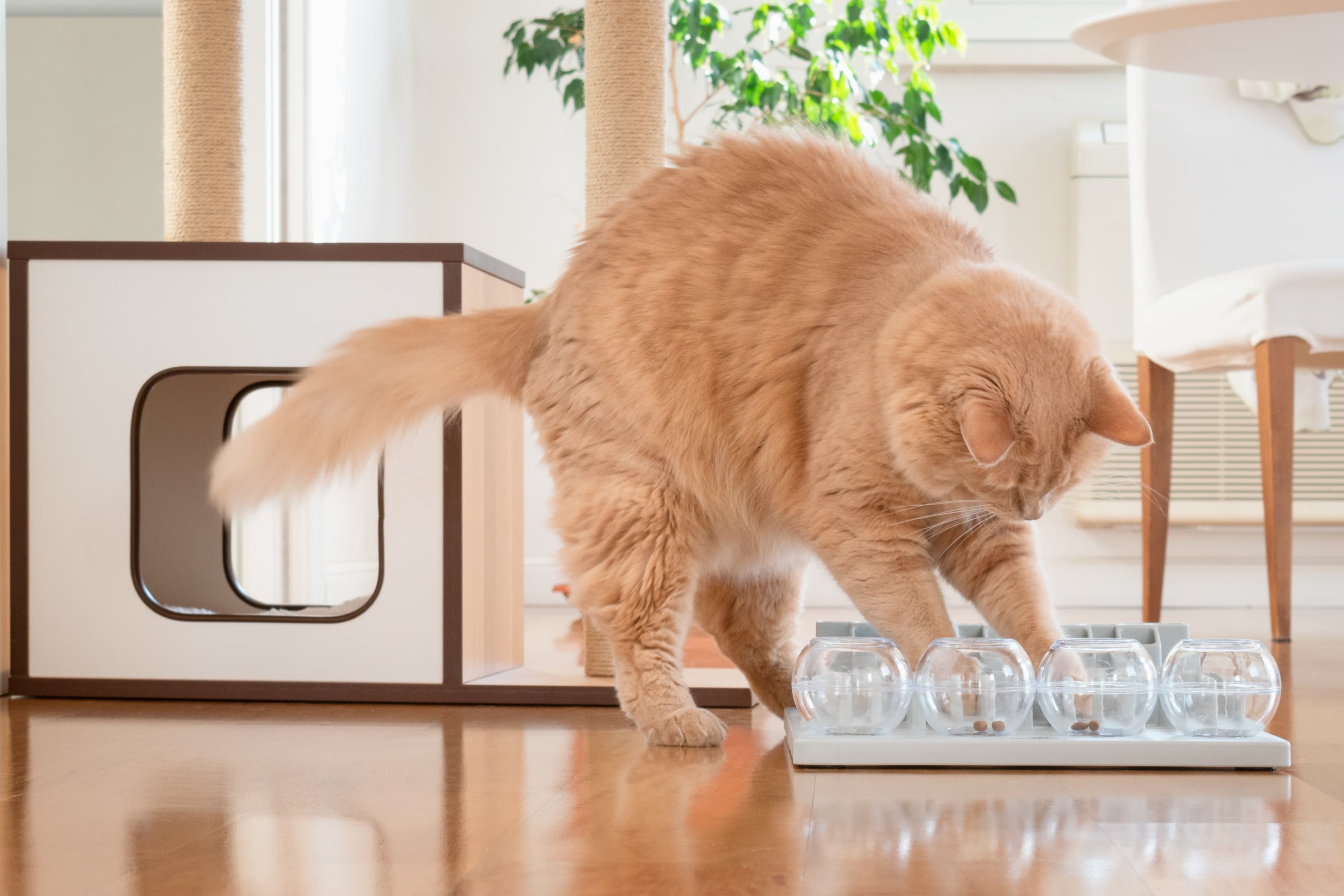
As natural predators, cats' behaviour needs can be met through their food, and it’s often simpler than you think. Some cats will miss the thrill of the hunt, but providing an indoor environment that allows them to explore, 'work' for their food, and use their bodies can go a long way. Place multiple food bowls around the house to encourage foraging. You can also hide food in toilet roll tubes or use puzzle feeders.
Cats in the wild don't eat and drink in the same spots. So, avoid placing the water bowl right next to their food bowl. Offer water in various locations, at different heights or even tucked away, to see where your cat prefers to drink. Experiment with different types of bowls too – deep, shallow, or even a water fountain.
Scratching and hunting
Many owners know that cats scratch to mark their territory. Provide scratching posts in every room, especially near entrances like the hall or doors to balconies. Include climbing frames with scratching surfaces and place posts at different heights; cats love to stretch! Play with your cat regularly. Puzzle toys available in pet shops can stimulate their hunting instinct, which is vital for a cat's happiness.
The litter box and sleeping areas
Simple tips for the litter box:
Have at least two litter boxes per cat, placed separately.
Use a large litter box, ideally without a lid, so your cat can move and stretch comfortably.
Position litter boxes in quiet, safe spots that are still easy for your cat to access.
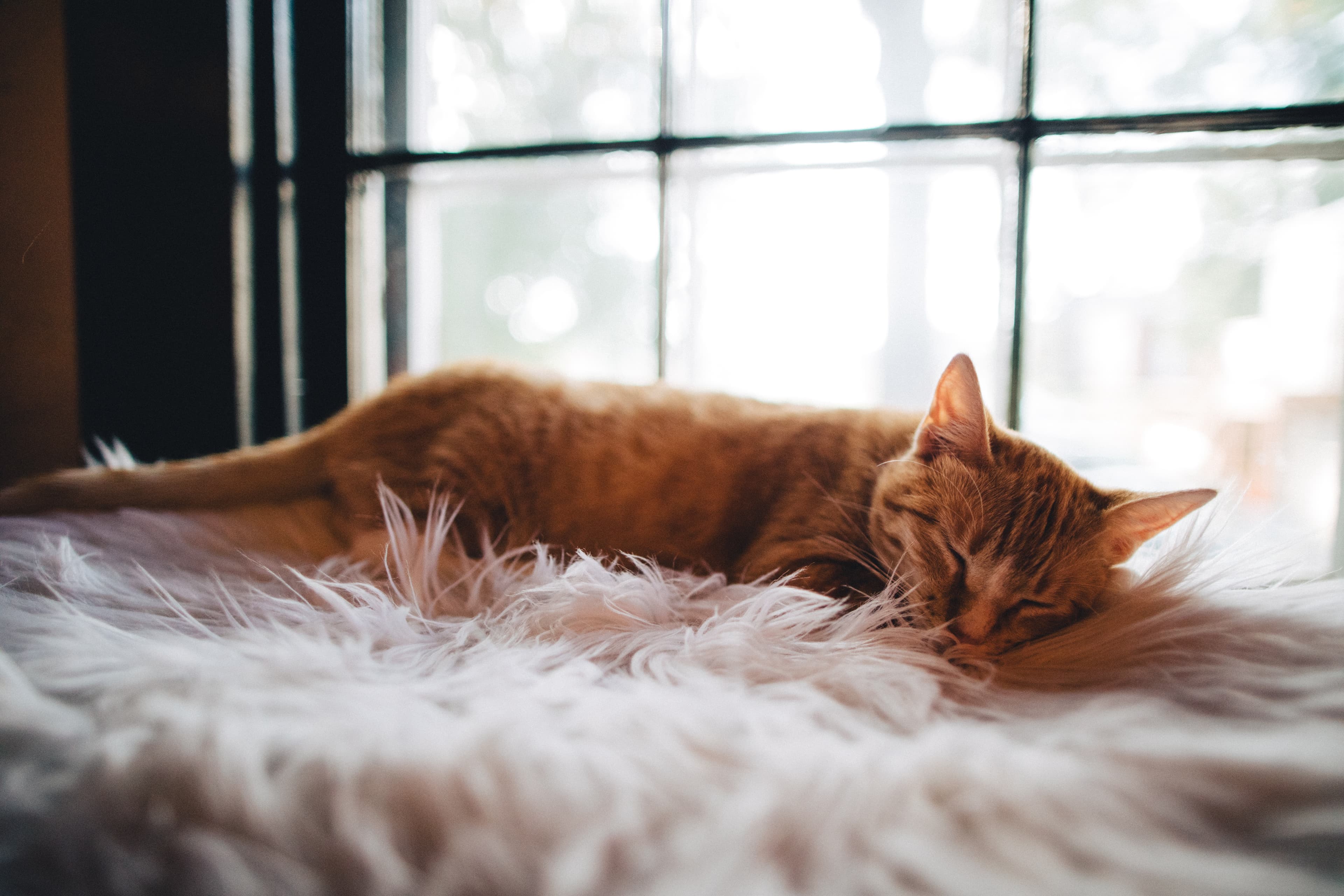
Cats spend a large part of their day resting and sleeping. Ensure they have plenty of undisturbed sleeping spots, away from other pets or children. Offer sleeping options at various levels, ideally near windows for a view. Importantly, keep sleeping areas far from the litter box.